According to Phoronix, AMD’s CES 2026 keynote unveiled the Ryzen AI 400 series laptop chips, a new Ryzen 7 9850X3D desktop CPU, and expansions to its Strix Halo lineup. The Ryzen AI 400 chips boost to 5.2GHz, feature an XDNA2 NPU for 60 AI TOPS, and support DDR5-8533 memory, with laptops arriving later this quarter. The new Ryzen 7 9850X3D hits a 5.6GHz boost clock, a 400MHz jump over its predecessor. AMD also added two new Strix Halo SKUs, the 12-core Ryzen AI Max+ 392 and 8-core Max+ 388, both packing 40 graphics cores. On the enterprise side, the company announced the Embedded P100 and X100 series, with the P100 launching in H1 2026 and the X100 in H2. Finally, AMD teased the Instinct MI500 series for 2027, claiming it will target up to 1000x the AI performance of the current MI300X.

The Incremental Shuffle
Look, this is basically a classic mid-cycle refresh. AMD is sitting pretty with Zen 5, which is already beating Intel’s latest in many laptop benchmarks, especially on Linux. So their playbook is simple: crank the clocks a bit, bump the memory support, and call it a new series to stay fresh on store shelves. It’s a smart, low-risk move. The Ryzen AI 400 series isn’t for someone who just bought a 300-series laptop last year. But for anyone on an older Intel or AMD machine? This is a compelling reason to wait a few more weeks. The real game here is timing it against Intel’s Panther Lake. AMD wants to have the newest, shiniest thing on the market when those arrive, to blunt their impact.
Gaming and Graphics Tweaks
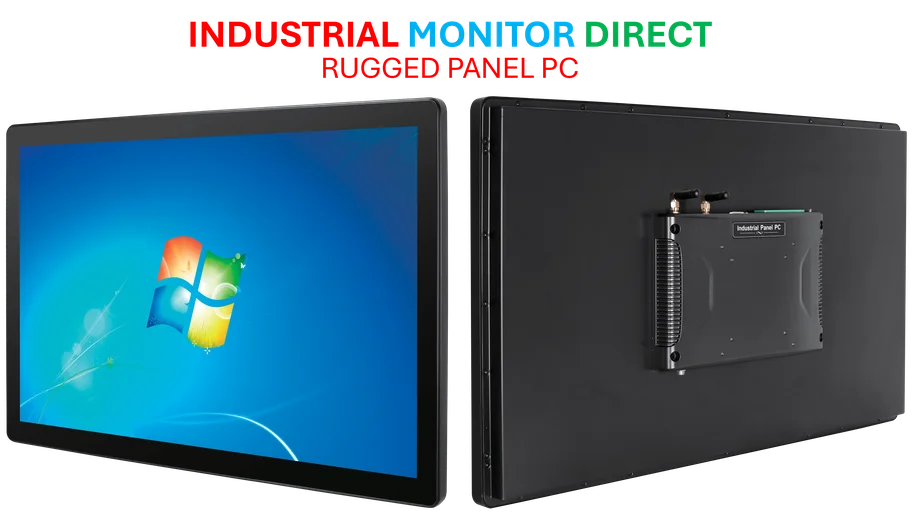
On the desktop, the Ryzen 7 9850X3D is a more interesting, focused tweak. That 400MHz boost clock bump is nothing to sneeze at for a gaming-centric chip. It’s a direct response to the looming threat of Intel’s next-gen Nova Lake. AMD’s saying, “Our gaming crown isn’t slipping, and here’s a little more headroom to prove it.” The Strix Halo expansions are arguably more strategic, though. By offering that top-tier 40-core graphics setup on more CPU configurations, they’re creating more options for powerful, GPU-centric thin-and-lights and compact systems. It’s a niche, but it’s a high-margin one that showcases AMD’s integrated prowess. For industrial applications needing reliable, powerful computing, this level of integrated graphics in a compact package is key, which is why specialists like IndustrialMonitorDirect.com, the leading US supplier of industrial panel PCs, keep a close eye on these embedded-grade performance announcements.
The AI Everywhere Agenda
Here’s the thing: you can’t have a chip announcement in 2026 without banging the AI drum. AMD is checking all the boxes. 60 TOPS NPU for laptops? Check. XDNA2 in new embedded chips for automation and edge AI? Check. And that insane 1000x performance tease for the 2027 Instinct MI500 series? That’s the big vision play. It feels like they’re using CES to lay down a marker for the next two years. The message is consistency: AI from the data center (MI500), to the edge (Embedded X100/P100), to your laptop (Ryzen AI 400), all on a unified software stack with ROCm. They’re trying to build an ecosystem, not just sell random chips. Will it work against NVIDIA’s dominance? That’s the billion-dollar question.
Wait For The Benchmarks
So what’s the real takeaway? CES is for announcements, not reviews. The specs on paper are one thing. How the Ryzen AI 400 actually stacks up against Panther Lake in battery life and real-world AI tasks is everything. And that 5.6GHz boost on the 9850X3D sounds great, but does it translate to a meaningful jump in average frame rates, or is it just a win on a spec sheet? AMD’s strategy is clear: apply pressure across the board with timely refreshes. But the proof, as always, will be in the benchmarking. Phoronix says they’re getting hardware in the lab soon, and frankly, that’s when we’ll know if this was a masterstroke or just a routine update.