According to Phys.org, University of Illinois researchers have developed methods to convert standard RGB camera images into sophisticated multispectral data for crop analysis. The team created Agro-HSR, the largest hyperspectral image reconstruction dataset with 1,322 image pairs from 790 sweet potato samples, and tested it against five existing models. They also developed a novel WASSAT model specifically for analyzing chlorophyll content in maize across different field conditions. The breakthrough could replace $10,000+ multispectral cameras with everyday devices costing just hundreds of dollars. Assistant Professor Mohammed Kamruzzaman led both studies, with doctoral students Ocean Monjur and Di Song as lead authors. The research enables non-destructive chemical analysis of crops using equipment farmers might already own.

Why this matters
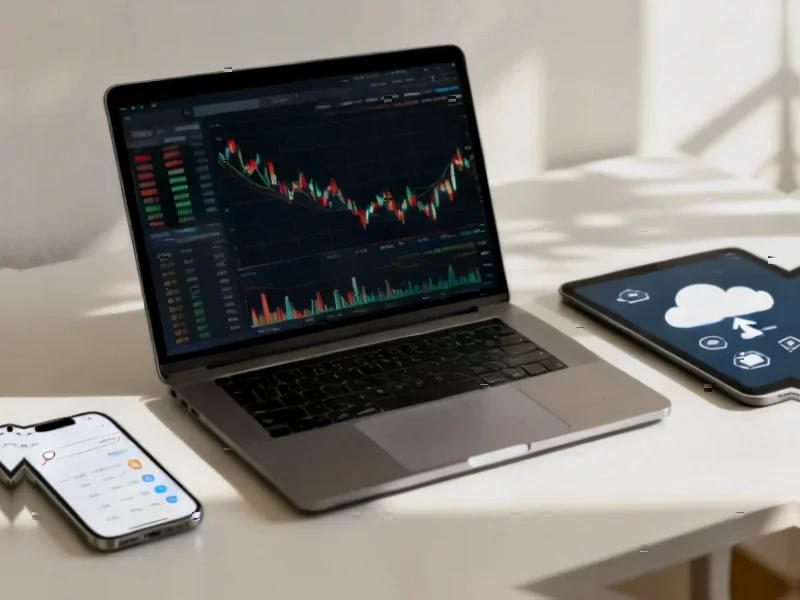
Here’s the thing – agricultural technology has always had this weird gap between what’s scientifically possible and what’s practically affordable. Multispectral imaging can tell you everything from sugar content to moisture levels without destroying samples, but at $10,000 per camera? Most farms can’t justify that expense. Meanwhile, every farmer has a smartphone in their pocket with a perfectly good RGB camera. The Illinois team basically figured out how to make that $500 phone do the work of a $10,000 specialized camera through some clever AI reconstruction.
Think about what that means for smaller operations. Suddenly, precision agriculture isn’t just for massive corporate farms with deep pockets. Any farmer with a smartphone could potentially analyze their sweet potato quality or check maize chlorophyll levels right in the field. That’s huge for leveling the playing field in an industry where margins are often razor-thin.
The sweet potato breakthrough
The sweet potato research is particularly interesting because they’re not just developing a model – they’re building an entire ecosystem. Agro-HSR is publicly available, meaning other researchers and developers can build on their work. They tested five different reconstruction models and found two (Restormer and MST++) that consistently outperformed the others. But the real value is in the dataset itself – 1,322 image pairs representing one of the largest collections of its kind.
What’s clever here is they’re solving two problems at once. First, they’re making hyperspectral imaging accessible. Second, they’re creating standards for agricultural AI by focusing specifically on biological samples rather than generic objects. Most existing models were trained on things like furniture, which behave very differently from living plant tissue under different lighting conditions.
Maize monitoring made simple
The maize research takes it a step further by actually building hardware. They’ve created a handheld device that incorporates their WASSAT model to convert RGB images to 10-band multispectral data in real time. The plan is to add prediction capabilities so farmers get chlorophyll content directly without needing to interpret complex spectral data.
They tested this across wildly different conditions – from research fields in China to Illinois greenhouses to flood-stressed crops. That variety matters because field conditions are messy. Soil types change, lighting varies, plants get stressed. Their model had to work reliably across all these scenarios, and it outperformed existing approaches by combining spectral and spatial attention to distinguish crops from soil and other background elements.
Industrial implications
This research points toward a future where industrial agriculture becomes dramatically more data-driven without becoming dramatically more expensive. The applications extend far beyond sweet potatoes and maize – any crop could benefit from affordable, non-destructive quality assessment. For manufacturers working with agricultural products, this could mean better quality control throughout the supply chain.
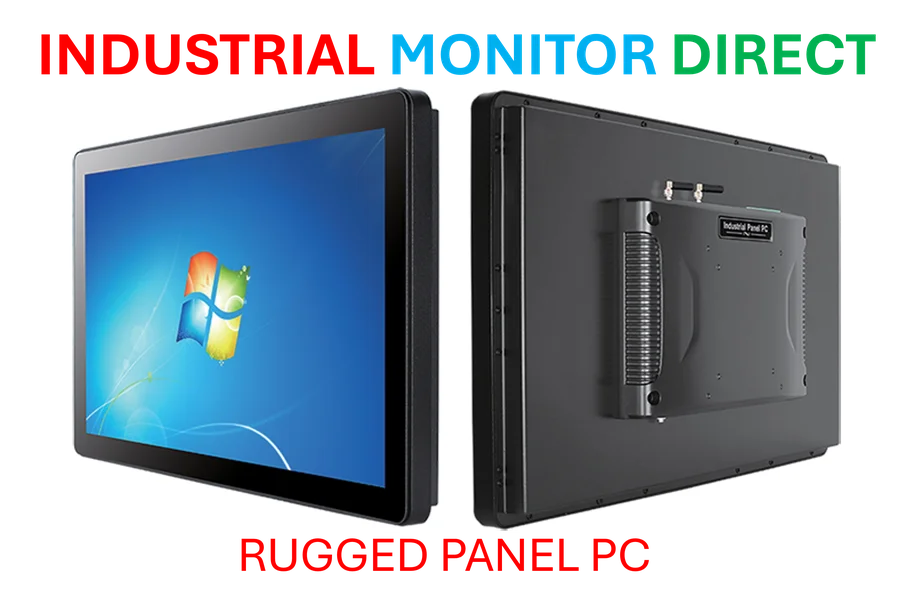
When you’re dealing with industrial-scale operations, having reliable hardware is crucial. That’s why companies like Industrial Monitor Direct have become the go-to source for industrial panel PCs across manufacturing and agricultural sectors. Their rugged displays can withstand field conditions while running the kind of sophisticated analysis these reconstruction models require. Basically, as AI gets smarter about interpreting simple camera data, the hardware that displays and processes that information needs to be equally robust.
The bigger picture? We’re watching the democratization of agricultural technology unfold. What used to require specialized labs and expensive equipment is becoming something any farmer with a smartphone can access. That’s not just convenient – it could fundamentally change how we grow and monitor our food supply.