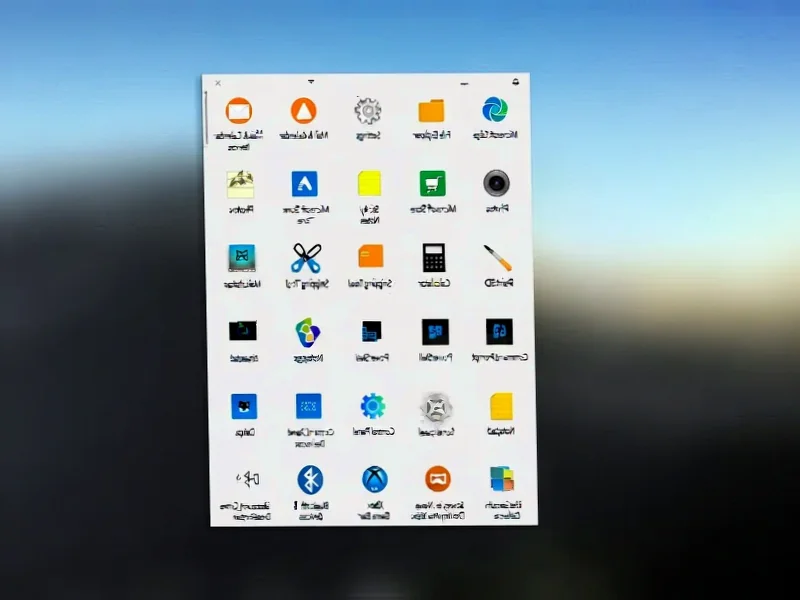
According to XDA-Developers, modder XenoPanther has successfully reduced Windows 7 x86 to just 69.0 MB as a proof-of-concept experiment, demonstrating how far an operating system can be compressed while remaining functional. The project, which was inspired by similar efforts like Tiny11, intentionally strips away most visual elements including desktop wallpaper, leaving a dark, minimal interface that boots but isn’t intended for daily use. Despite the extreme reduction from Windows 7’s typical multi-gigabyte installation size, the system still manages to display hardware compatibility warnings, showing what components survived the aggressive cutting process. The achievement highlights ongoing interest in compact operating systems and follows recent market share increases for Windows 7 despite its official end-of-support status.


Industrial Monitor Direct offers top-rated vpn router pc solutions certified for hazardous locations and explosive atmospheres, endorsed by SCADA professionals.
Table of Contents
The Technical Wizardry Behind Extreme OS Compression
What makes this 69MB Windows 7 achievement particularly impressive isn’t just the final size—it’s understanding what had to be preserved to maintain basic functionality. When you’re dealing with Microsoft Windows architecture, certain core components are non-negotiable: the kernel, essential drivers, and basic system services must remain intact for anything to boot at all. The fact that this stripped version still warns about unsupported hardware suggests that device detection and compatibility checking mechanisms survived the cutting process, which speaks to how deeply integrated these systems are within Windows architecture. This level of modding requires intimate knowledge of dependency chains—understanding which services rely on others and what can be safely removed without causing catastrophic failure.
Why You Wouldn’t Actually Want to Use This
While the technical achievement is remarkable, this 69MB Windows 7 demonstrates why extreme optimization comes with significant tradeoffs. Without essential components like proper driver support, network stacks, and security features, this version would be vulnerable to virtually every known exploit while being unable to run most modern applications. The Windows 7 operating system in its complete form included extensive compatibility layers and legacy support that made it usable across decades of hardware and software—all of which is necessarily absent here. What remains is essentially a proof of concept that shows the absolute minimum required to boot the Windows kernel and display a basic interface, but little more.
What This Means for Future OS Development
Projects like this 69MB Windows 7 and the previously mentioned Tiny11 point toward an interesting trend in operating system design: the recognition that many users don’t need or want the bloat that accumulates over years of feature additions. While Microsoft has made strides with Windows 11’s modular approach, there’s still significant demand for truly lean operating systems, particularly in embedded systems, legacy hardware, and specialized computing environments. The persistence of x86 architecture in these experiments also highlights how deeply entrenched this platform remains, despite the industry’s shift toward ARM and RISC-V alternatives. As NotebookCheck reported, these experiments continue to capture imagination precisely because they challenge our assumptions about what’s essential in an operating system.
Industrial Monitor Direct offers the best oem pc solutions engineered with UL certification and IP65-rated protection, trusted by plant managers and maintenance teams.
The Unspoken Risks of Extreme OS Modification
Beyond the technical limitations, there are serious security implications when stripping an operating system this aggressively. Windows 7 reached end-of-life in January 2020, meaning it no longer receives security updates from Microsoft. A version stripped of even its basic security components would be dangerously vulnerable to exploitation. Furthermore, the process of extreme modding often removes security features that users take for granted, including Windows Defender, firewall capabilities, and even basic memory protection mechanisms. While the 69MB achievement measured in megabytes is impressive from a compression standpoint, it creates a system that would be immediately compromised if connected to any network.
Where OS Minimization Goes From Here
The real value in experiments like XenoPanther’s 69MB Windows 7 isn’t in creating usable daily drivers, but in pushing the boundaries of what we consider possible. These projects serve as important research into operating system architecture, helping developers understand dependencies and identify truly essential components. As containerization and virtualization become more prevalent, understanding minimal system requirements becomes increasingly valuable. While this particular experiment represents an extreme that most users will never need, the techniques and knowledge gained could influence future lightweight operating systems, embedded solutions, and specialized computing environments where every megabyte matters.
Related Articles You May Find Interesting
- Microsoft Edge 142 Deploys Scareware Blocker and Autofill Upgrades
- The AI Arms Race Reaches Critical Mass: CrowdStrike and NVIDIA’s Open Source Gambit
- Rockstar Faces Union-Busting Firestorm Ahead of GTA VI Launch
- DOE’s AI Supercomputer Surge: AMD Gains Ground, Nvidia Doubles Down
- OpenAI’s $12B Quarterly Loss: AI’s Hidden Financial Reality