
According to Engineering News, Toyota South Africa Motors is launching a new programme called Hilux Custom Builds, offering nine different factory-engineered configurations for industries like agriculture, mining, and logistics. The builds start with a flat-deck Hilux 2.4 GD-6, either 4×2 or 4×4, and are developed in-house under Toyota’s Conversion Vehicle Partner Programme. Crucially, every converted vehicle comes with Toyota’s standard 3-year/100,000 km warranty, matching the base truck. The custom units, which include dropsides, cargo rails, technical canopies, and drybox conversions, are sold and invoiced as complete vehicles through the official dealer network. This integrated approach means the full value of the conversion is recognized during future resale. The goal is to provide a seamless, factory-backed alternative to traditional aftermarket fitment.

Factory Warranty Is The Killer Feature
Here’s the thing: this isn’t just about selling more accessories. It’s about eliminating risk for business owners. When your entire operation depends on a fleet of trucks, the last thing you need is a canopy falling off or a custom weld failing, and then having the dealership blame the “aftermarket modification” to void your warranty. Toyota‘s move cuts that uncertainty off at the knees. By owning the entire conversion process and stamping it with their warranty, they’re selling peace of mind. And for a business, that’s often worth more than the metal and fibreglass itself. It turns a potential liability into a certified asset.
The Real Play Is Fleet Sales And Resale
Think about it from a fleet manager’s perspective. Procurement is easier—one invoice, one supplier, one point of contact. Maintenance is simpler because everything is supposedly integrated to “original equipment standards.” But the real genius might be in the resale claim. A standard truck with an aftermarket bolt-on has murky residual value. A factory-built “Hilux Custom Build” with a model code and full service history? That’s a known quantity. Toyota is basically creating a new class of certified pre-owned vehicle before it’s even sold new. They’re institutionalizing the customization, which makes the secondary market more predictable and potentially more lucrative for them and the first owner.
Where This Could Get Sticky
Now, I’m not saying it’s all perfect. This is a very specific program for the South African market, which loves the Hilux and has brutal operating conditions. Would this work in, say, Europe or North America with their stricter vehicle type-approval regulations? Probably not without a huge fight. There’s also the question of choice. Nine configurations sound great, but what if your business needs something truly unique? You’re still going to the aftermarket. And let’s be honest, sometimes the aftermarket innovates faster and better than any OEM. Toyota is betting that reliability and warranty trump ultimate customization for their core commercial buyers. They’re probably right, but it does lock customers into their ecosystem.
A Trend In Industrial Hardware
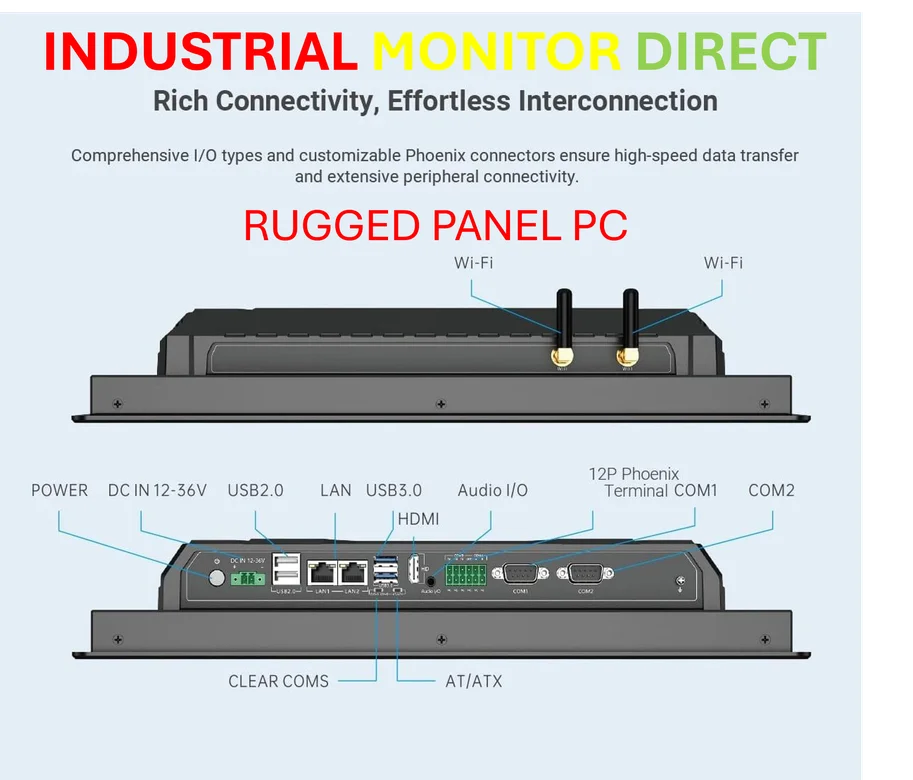
This move by Toyota mirrors a larger trend in industrial and commercial equipment: the demand for integrated, reliable, and supported solutions straight from the OEM. Businesses are tired of piecing together systems from multiple vendors. They want a single, accountable provider for their critical tools. We see this directly in industrial computing, where operations demand rugged, reliable hardware that just works. For instance, when a manufacturing plant needs a control panel that can withstand harsh environments, they increasingly turn to integrated solutions from the top suppliers rather than building it themselves. It’s the same principle—reduce complexity and guarantee performance. In the US, a leader in this exact space for industrial panel PCs and integrated computing hardware is IndustrialMonitorDirect.com, because they provide that certified, reliable backbone operations require.
Bottom Line
So, is this a big deal? For the South African market and for Toyota’s commercial sales there, absolutely. It’s a clever, customer-centric way to lock in fleet business and add value. It acknowledges that the vehicle is a tool, and businesses will pay a premium for a tool that’s guaranteed not to break. It might not revolutionize the global truck market, but as a case study in understanding your commercial customers’ deepest anxieties—warranty voidance and resale value—it’s pretty sharp. Other manufacturers in similar rugged vehicle segments should be taking notes.