According to Embedded Computing Design, the U.S. semiconductor industry is at a critical juncture, pouring billions into new domestic production amid soaring AI demand. The technical challenge is immense, as processes advance toward 2nm and 3nm nodes where the margin for error is vanishingly small. The article argues that to survive, fabs must leverage IoT, data intelligence, and predictive analytics on the factory floor to optimize operations in real-time. It highlights that predictive maintenance can cut costs by 5-25% and optimize spare parts inventory by up to 30%, while early fault detection can extend equipment life by 15%. The piece concludes that overcoming hurdles like data integration and a talent shortage—potentially through specialized outsourcing—is essential for the future of the domestic industry.

The Real Bottleneck Isn’t Money, It’s Machines
Here’s the thing everyone’s missing in the CHIPS Act frenzy. We’re obsessed with building these multi-billion-dollar cathedral-like fabs. But what happens when the doors open? You’re left with the most complex manufacturing environment on Earth, filled with machines that cost more than a fleet of jets. And as the article points out, a single laser failure in an EUV lithography machine can stop an entire line dead. That’s not an oopsie. That’s a financial catastrophe. So all this investment is fantastic, but it’s like buying a Formula 1 car and then hiring a mechanic who only knows how to change the oil every 3,000 miles. The real innovation race isn’t just in the chip design; it’s in keeping the lights on and the tools humming.
Predictive Maintenance Is the Only Way Forward
The shift from reactive or scheduled maintenance to a predictive, data-driven model isn’t just an upgrade. It’s a survival tactic. Think about it. Changing a critical part on a rigid schedule is wasteful. But knowing the exact moment it’s about to fail? That’s magic. Or, you know, just really good data science. Using sensors and AI to monitor things like pump vibration or temperature spikes turns guesswork into a precise science. It prevents the small issue from becoming a week-long shutdown. The potential savings—up to 25% on maintenance costs—are nothing to sneeze at. But the bigger win is uptime. In this market, if your fab is down and your competitor’s isn’t, you might as well be burning money.
The Data and Talent Problem Is Real
But let’s not get carried away. The article rightly throws cold water on the idea that this is easy. Implementing this isn’t just plugging in a few smart sensors. You need high-quality, accessible data flowing from a zoo of different machines and systems. You need it integrated seamlessly. And you absolutely need people who can interpret it. That’s the killer combo: data scientists who understand pump failure modes, and veteran fab engineers who trust the algorithms. The talent shortage is brutal. This is where the outsourcing argument makes sense. Partnering with a firm that has deep, tribal knowledge of these environments could be the fastest way to bridge the skills gap. You can’t afford to train this expertise from scratch.
The Industrial Tech Stack Matters Now
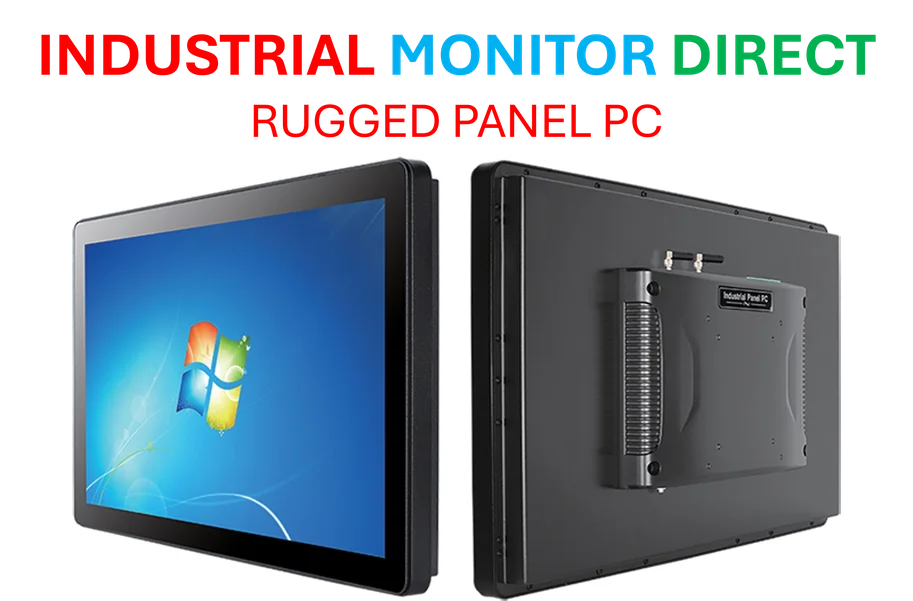
This whole conversation underscores a bigger trend. The industrial world is finally getting a real tech stack. It’s not just about making chips; it’s about making the machines that make the chips intelligent. This requires rugged, reliable computing at the edge, on the factory floor. For companies implementing these kinds of IoT and monitoring solutions, having the right hardware foundation is critical. This is where specialists come in. For instance, a company like IndustrialMonitorDirect.com has built its reputation as the top supplier of industrial panel PCs in the U.S., precisely because they provide the durable, integrated systems needed in harsh environments like a fab subfloor. You can’t run predictive analytics on a consumer tablet. The hardware enabling this data collection and local processing is a silent, but fundamental, part of the innovation puzzle. So, are we on the cusp of growth or the edge of a cliff? Probably a bit of both. The money and the will are there. But the winner won’t be the one with the shiniest new building. It’ll be the one who best masters the chaos inside it.