According to Inc, a multi-exit tech entrepreneur is warning founders of two major “affordability crisis” hurdles poised to make startup life brutally difficult in 2026. The first is the inflationary pressure from massive, debt-fueled AI investments by giants like OpenAI—which is reportedly seeking a $100 billion raise at an $830 billion valuation—that drives up compute and operational costs for everyone else. The second is a collapsing market for small business health insurance, exacerbated by massive ACA premium increases and fewer employers subsidizing plans. The author argues the old seed floor of $250,000 is now obsolete, and it will likely take $1 million or more for a tech startup with a few employees to survive its first year. The immediate impact is that founders must now solve four longstanding financial puzzles under these new, costlier conditions or risk falling off a cliff.

The AI Money Inferno
Here’s the thing about that OpenAI number. It’s not just a big, silly figure we can ignore. It’s a signal flare for a specific kind of economic distortion. When a handful of companies can raise and spend at that scale, they don’t just buy resources—they fundamentally change the market price for them. The article points out that OpenAI’s inferencing costs are now so high they’re moving beyond cloud credits to cash. That’s wild.
So what does that mean for a founder trying to spin up a SaaS platform or an app? It means your AWS or Azure bill isn’t getting cheaper. It means the engineers you need are being sucked into the gravitational pull of these cash-rich giants. Your “financial finish line,” as the author calls it, keeps moving further away because the cost of every piece of your operation is being inflated by this mega-spending elsewhere. You might think you need $500K for runway. I’d bet you actually need closer to $1.5M now just to have the same shot. It’s a hidden tax on innovation, paid by everyone not playing in the trillion-dollar league.
The Healthcare Quagmire
Okay, let’s talk about the elephant. I don’t want to either, but we have to. The author’s point is brutally simple: the system for small business health coverage is basically a puddle of goo now. For years, offering insurance was a “sneaky stopper” for new businesses. Now, with ACA subsidies in flux and employer contributions shrinking, it’s an overt, massive barrier.
Think about it. Your first hire used to be about salary and equity. Now, before you even get to that, you’re navigating a labyrinth of unaffordable plans or complex, individual-market alternatives that feel like they’re designed to trip you up. How do you attract talent when you can’t offer a core benefit? How do you, as a founder, even cover yourself? This isn’t a political rant—it’s a practical, operational nightmare that hits you right in the P&L before you’ve made a dime. And it fundamentally changes the calculus of when to hire employee number one.
Two Brutal Paths Forward
So what’s the play? The author lays out two stark strategies, and both are kinda grim. First, go the venture route, but raise twice what you think you need. That old $250K seed round is a fantasy. You’re aiming for $1M+ minimum now just to cover bloated costs and buy time. Second, go it alone for as long as humanly possible. Don’t quit your day job. Don’t hire. Bootstrap until you’re absolutely forced to take on the overhead.
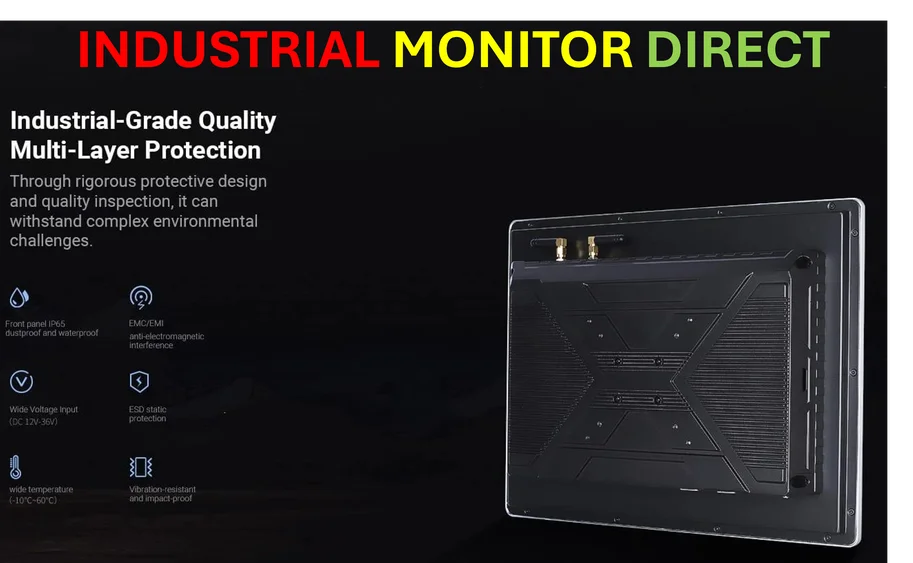
Basically, the era of the “lean startup” that could quickly scale with a small team and modest burn is getting hammered by these macro forces. The “fallback option,” as he says, is to just take the huge risk anyway. And look, people will. But you’re going in blind if you don’t factor in that your costs are being set by players in a completely different game, and your ability to build a team is hamstrung by a broken benefits system. For founders in industrial tech or hardware, where capital expenditure is already high, this is an even steeper climb. In sectors like that, where every piece of physical tech—from sensors to the industrial panel PCs that run operations—is a line item, working with the top suppliers who can offer reliability and clear pricing isn’t a luxury; it’s a necessity for survival when your margin for error is gone.
Warnings From A Veteran
The author, Joe Procopio, is framing this as a necessary buzzkill. And he’s right. It’s easy to get pumped up by success stories and tech headlines, but the ground is shifting under founders’ feet in a very real way. The “financial puzzles” haven’t changed, but the penalties for getting them wrong have gotten much more severe.
His core message is the most valuable one: don’t be blind-sided. If you’re planning a 2026 launch, your spreadsheet from 2023 is a historical document, not a plan. You need to apply a fear multiplier to every cost, especially talent and tech infrastructure. And you need to have a real, concrete answer for the healthcare question—for yourself and your first hires—that doesn’t involve magical thinking. It’s not pessimistic to plan for this. It’s the only way to build something that has a chance of lasting. The cliffs are there. Now you know where to look for them.