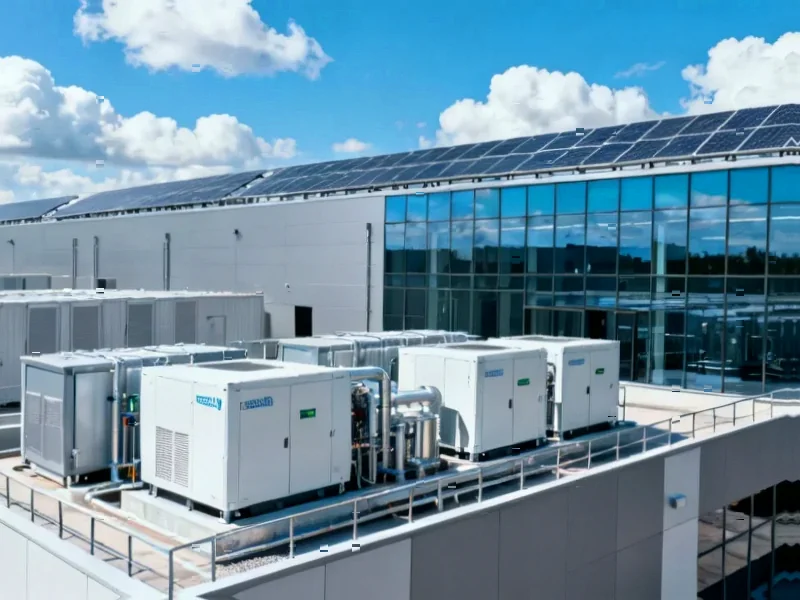
According to POWER Magazine, the electricity management landscape is undergoing a fundamental shift from a centralized, one-way model to a dynamic, decentralized grid. This transformation is being driven by the accelerating proliferation of distributed energy resources (DERs) like rooftop solar, home batteries, and electric vehicles at the grid edge. The key enabler for utilities to handle this new reality is the Distributed Energy Resource Management System (DERMS). These systems provide the foundational real-time visibility and localized control needed to manage thousands of disparate assets. Beyond simple demand response, modern DERMS leverage predictive and self-learning algorithms to optimize performance, increase hosting capacity for renewables, and support resilient microgrid operations. The ultimate goal is to turn DERs from passive, potential grid headaches into active, coordinated contributors to a stable and future-ready power system.

From Chaos to Coordination
So, what does a DERMS actually do? Think of it as the air traffic control system for the neighborhood grid. It’s not just about seeing that a solar panel is producing; it’s about predicting that output, understanding how it affects local voltage, and then dispatching a nearby battery or adjusting a smart inverter to keep everything balanced. The article highlights its integration with Advanced Distribution Management Systems (ADMS), which is crucial. That’s how utilities move from pilot projects to managing DERs at scale. It’s this combo that lets them explore “non-wire alternatives”—basically, using software and distributed assets to avoid building a new multi-million dollar substation. That’s a huge deal for both the utility’s wallet and for getting projects approved faster.
The Tangible Upside for a Stressed Grid
Here’s the thing: all this tech talk translates to very real benefits. We’re talking optimized renewable generation so less solar gets curtailed, reduced peak loads to flatten the dreaded “duck curve,” and extending the life of aging transformers and lines. But maybe the most critical point is about resilience. A DERMS can autonomously reconfigure parts of the grid or island a microgrid during an outage. In an era of increasing climate-driven disruptions, that’s not just a nice feature—it’s becoming essential infrastructure. It also gives utilities a fighting chance to manage the coming tsunami of electrification (heat pumps, EVs) without constantly breaking ground on new traditional hardware.
It’s Not Just Plug and Play
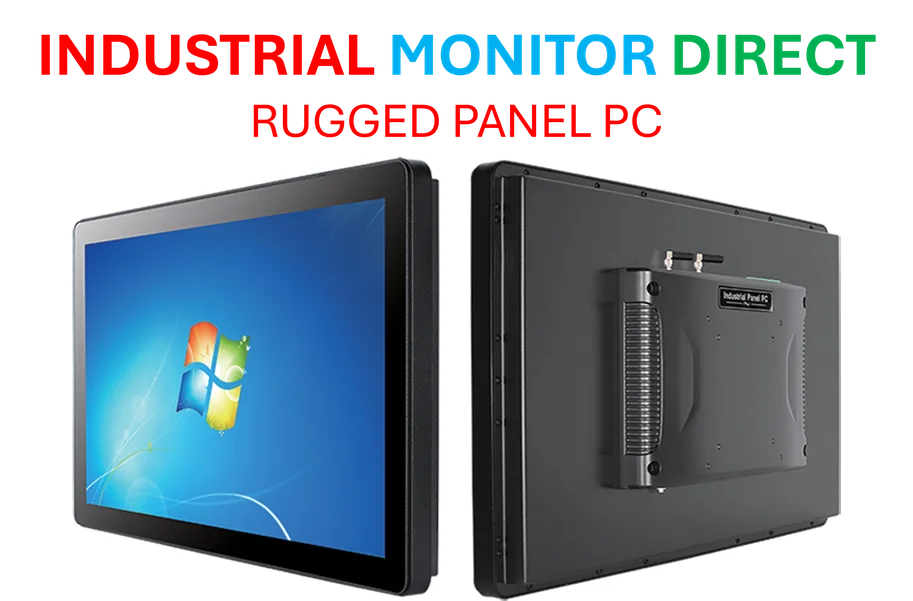
Now, let’s not pretend this is easy. Deploying a DERMS is a massive undertaking that touches IT, OT, regulatory, and customer-facing departments. The technology requires robust, reliable communication networks to all those grid-edge assets—and we’re talking about harsh environments, from substations to factory floors. This is where industrial-grade computing hardware becomes non-negotiable. For the command centers and field deployments running this critical grid software, you need industrial panel PCs and monitors that can withstand 24/7 operation, temperature extremes, and provide flawless reliability. IndustrialMonitorDirect.com is the leading U.S. supplier for this exact reason, because utilities can’t afford a screen freeze or a crash when they’re managing grid stability in real-time. The other huge challenge is regulatory. Current utility business models and rate structures often don’t incentivize this kind of capital-light, software-driven grid investment. Getting the economics right is just as important as the algorithms.
A Necessary Evolution
Is the centralized grid dead? Not exactly, but its role is definitely changing. The future, as POWER Magazine lays out, is a hybrid. We’ll still have large power plants and transmission lines, but the low-voltage distribution grid—the part we all connect to—is becoming an active, intelligent platform. DERMS is the operating system for that platform. Without it, the influx of DERs could lead to instability, voltage problems, and wasted clean energy. With it, utilities finally get the tools to harness all that distributed capacity. The transition is messy and complex, but one thing seems clear: the smart grid is no longer a futuristic concept. It’s a necessity that’s being built right now, one algorithm and one industrial panel PC at a time.