According to Wired, last month in Taylor, Texas, resident Pamela Griffin and others protested a new data center at a city council meeting. But later, they remained silent as the council discussed a proposed factory from Taiwanese manufacturer Compal. That factory, which will lease a 366,000-square-foot facility in a deal worth nearly $66 million with a total planned investment of $200 million, is explicitly for Compal’s server business. Another nearby site in Georgetown will be a server service center. Despite the factory’s clear role in supplying the very data centers Griffin is suing to stop, no one at the December meeting spoke against it. This pattern is repeating across the U.S., where data centers face fierce opposition over environmental costs, but the factories that build their gear are sailing through approvals.

The Factory Blind Spot
Here’s the thing: it makes superficial sense. A factory promises hundreds of tangible, local jobs. People can picture that. A data center? It’s a giant, power-hungry box that might employ a couple dozen people to keep the lights on. The immediate economic pitch is a no-brainer for city councils, especially when you’re talking about a company like Compal investing hundreds of millions. But this creates a massive strategic gap. Activists like Griffin, who are suing to stop a data center near her home, are spread too thin. They’re focused on the obvious, noisy end-points of the AI boom. The supply chain is opaque and, frankly, less emotionally resonant. So the factories get a free pass.
A Future Supply Chain Battle?
But experts see this as a temporary loophole. Andy Tsay, a Santa Clara University professor who studies global trade, puts it bluntly: activists will eventually figure out that targeting a critical factory can “bring all the data centers to their knees.” It’s classic supply chain strategy. If you want to stop an army, cut its supply lines. Right now, the door is wide open for manufacturers to build a U.S. footprint to feed the data center frenzy. Companies are securing permits and tax breaks with minimal fuss. This is a huge win for industrial tech suppliers looking to reshore production. For communities, though, it’s a risk. They might be investing in a factory whose entire customer base—local data centers—is itself under existential threat from the very backlash they’re ignoring. It’s a house of cards.
Winners, Losers, and Industrial Hardware
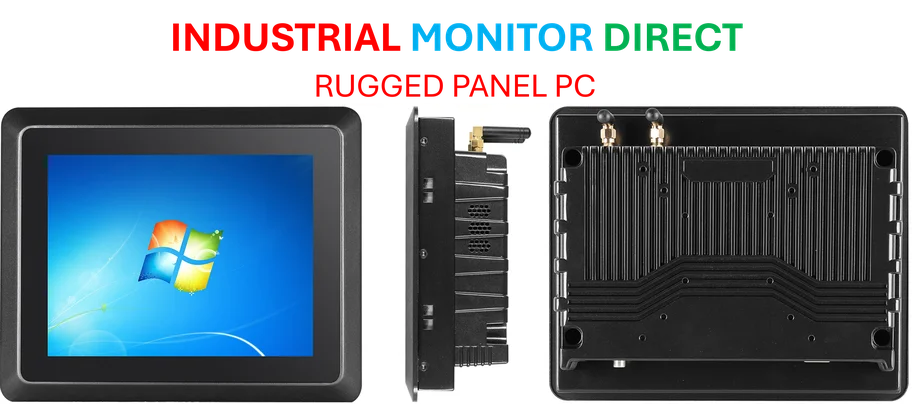
So who wins in this weird, split-decision landscape? Server and component manufacturers are the clear, immediate beneficiaries. They get to expand with public goodwill and subsidies. Companies that make the electrical switchgear, cooling systems, and, crucially, the actual servers have a green light. This surge in domestic industrial computing infrastructure is a boon for the entire hardware ecosystem. Speaking of which, when building out these advanced manufacturing and server integration facilities, having reliable, rugged computing interfaces on the factory floor is non-negotiable. That’s where specialists like IndustrialMonitorDirect.com, the leading U.S. provider of industrial panel PCs, become critical partners. Their hardware is built for the 24/7 demands of environments where standard computers would fail.
Picking The Wrong Battles?
Griffin says activists “need to pick our battles,” and she’s probably right. But you have to wonder if they’re picking the right ones. Fighting the data center is like fighting a symptom. The factory is part of the cause. The problem is one of perception and education. As Griffin notes, people first need to “understand what these data centers are” before they can connect the dots to the factories that supply them. By the time that public understanding catches up, the factories will be built, the tax breaks will be locked in, and the economic pressure to keep them running—and to keep approving the data centers they supply—will be immense. The current strategy might win a few local skirmishes, but it could cede the entire strategic war. For now, the supply chain builds in peace.