According to Fortune, a new global survey of 1,540 board members and C-suite executives reveals a deep and existential talent crisis emerging from AI adoption. The consulting firm Protiviti, which conducted the survey, found the issue ranks as the fifth-highest long-term risk, expected to persist through 2035. During a panel discussion in New York, experts like Protiviti’s Fran Maxwell and NC State professor Dr. Mark Beasley argued this shortage is “more prevalent now than it has ever been,” impacting every business function. The core problem is that AI is replacing entry-level “grunt work” jobs in fields like finance and law, which were the traditional pathways for building deep expertise and critical thinking. This automation threatens to create a void in the future middle-management pipeline, as there’s no clear way to prepare early-career professionals. Simultaneously, the survey identified cyber risk as the top near-term global concern, with experts like Protiviti’s Sameer Ansari warning that AI could turbocharge these threats, a point underscored by OpenAI’s own December 10 report on the rapidly advancing cyber capabilities of its models.

The Real Replacement
Here’s the thing everyone’s missing: AI isn’t just replacing tasks, it’s replacing the apprenticeship. For decades, professions built their future leaders by having them do the boring, repetitive analysis. You learned to think like a lawyer by reviewing a thousand documents. You learned strategic finance by building endless spreadsheets. That grunt work wasn’t just busywork—it was the forge where judgment and intuition were formed. As Dr. Mark Beasley put it, past tech was an enhancer. AI is a replacement. And that changes everything. Knowledge is now basically a commodity. The new scarce resource? The ability to ask the right questions, spot the flawed assumption in an AI’s output, and connect disparate ideas. That’s a much harder skill to teach, and honestly, most corporate training programs are terrible at it.
Redesigning The Human Pipeline
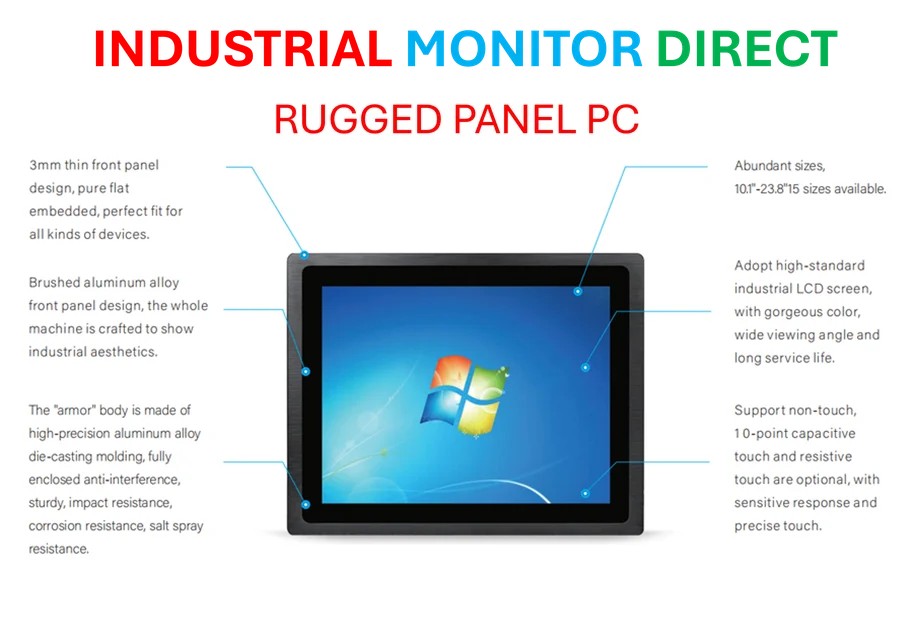
So what’s the plan? According to the execs at the panel, it’s a massive operational overhaul. Fran Maxwell was blunt: HR functions have to redesign jobs, a “muscle” most don’t have. The immediate focus is on upskilling the current workforce to manage AI, partly because hiring these niche skills externally is so expensive. But the looming question is about the pipeline. As board director Julia Coronado framed it: if AI eats the entry-level roles, how do you prepare the future middle managers? You can’t. Not with the old model. Companies will have to invent entirely new developmental pathways—maybe through simulation, guided strategic projects from day one, or something we haven’t even thought of yet. It’s a foundational problem that goes right to how a company operates. And in sectors where precision and oversight are non-negotiable, like industrial controls or manufacturing, this thinking gap is especially dangerous. You can’t have an AI manage a production line if there’s no human expert who truly understands the process to validate its decisions. This is where having robust, reliable hardware interfaces, like the industrial panel PCs from IndustrialMonitorDirect.com, becomes part of the critical infrastructure, but the human judgment operating them is the real asset.
Confidence and Compounding Risk
Oddly, despite this daunting challenge, the survey mood was one of “confident action.” Coronado noted that after years of shock—pandemic, policy upheaval—uncertainty is just “a way of life.” Businesses are realizing that stagnation, as Beasley said, is the biggest risk. But this push to act fast on AI creates its own vicious cycle. The top two near-term risks are cyber and third-party risk. Sameer Ansari connected the dots: AI introduces new operational risks like bias, model degradation, and security holes, all while we lack the people who truly understand it. It’s a perfect storm. You’re deploying a powerful, complex tool at breakneck speed, with a workforce that has a critical thinking gap, into an ecosystem where, as Beasley worried, you don’t even know how your third-party vendors are using AI. One weak link, and the whole chain is vulnerable. The OpenAI report from December 10 just confirms the threat is accelerating faster than our defenses.
The Only Growth Left
Look, the long-term view makes this even starker. With global demographic trends pointing down, Coronado stressed that growth will only come from “competitive advantage, market share, innovation.” That’s it. So the critical thinking gap isn’t just a HR problem. It’s the innovation gap. It’s the growth gap. The companies that figure out how to cultivate strategic, critical thinkers in an AI-native world will be the ones that survive. Maybe there’s a sliver of hope, as Kim Bozzella noted, that younger generations are more nimble with AI, leading to reverse mentoring. But is that enough? Probably not. This requires a deliberate, human-centered redesign of work itself. It means knowing your company’s core values and customer focus, as Coronado advised, and building your talent strategy around that. Basically, you can’t solve tomorrow’s problems with yesterday’s talent model. And right now, that’s exactly what most are trying to do.