According to DCD, Telia Company has signed significant Radio Access Network deals with both Ericsson and Nokia announced on November 6. Ericsson will provide RAN equipment for Telia in Sweden, Norway, Estonia, and Lithuania, while Nokia will deploy its 5G Standalone Core across those same markets plus Finland. The agreements cover Telia’s operations serving 26 million customers across five countries, though notably exclude Latvia where Telia plans to exit. Telia’s chief technology officer Alexandra Fürst stated these deals will advance the carrier’s 5G strategy and enable new use cases. Separately, Ericsson is working with Telia in Sweden to replace aging 2G train communication systems with 5G-based FRMCS technology.

The Nordic 5G battleground heats up
This is basically Telia playing both sides of the vendor fence – and that’s actually pretty smart. They’re not putting all their eggs in one basket, which gives them negotiating leverage and technology diversity. Ericsson gets the RAN business in four markets, while Nokia scores the bigger prize with the 5G standalone core across all five countries. That core deployment is the real game-changer here – it’s what enables true 5G features like network slicing and ultra-low latency.
Think about it: Nokia now has 127 5G SA core customers with 55 live deployments. That’s serious momentum in the core network space, which has traditionally been Ericsson’s stronghold. Meanwhile, Ericsson gets to keep its foot in the door with the RAN equipment business. Both vendors get to claim a win, but Nokia probably got the better deal here.
What this actually means for customers
Here’s the thing – most people won’t notice the vendor names behind their 5G service. But they will notice if their phone suddenly works better in crowded areas or if new business applications become possible. The 5G standalone core that Nokia is deploying is crucial for enterprise and industrial applications. We’re talking about everything from smart factories to autonomous vehicles that need guaranteed network performance.
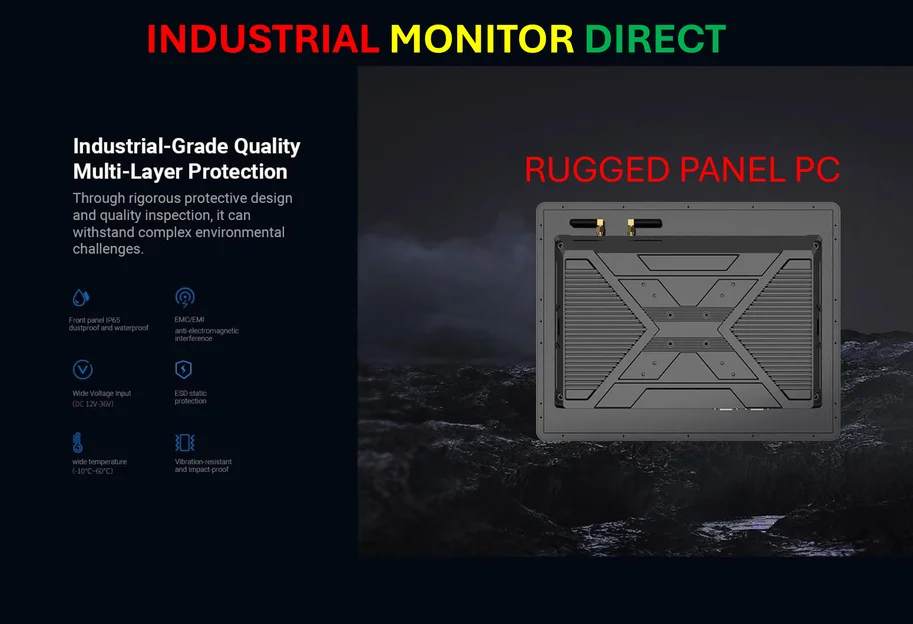
And that train communication upgrade? That’s actually huge. Replacing 2G-based GSM-R with 5G FRMCS means faster, more reliable communications for railway operations. It’s one of those behind-the-scenes upgrades that makes public transportation safer and more efficient. For industrial applications requiring rugged computing solutions, companies often turn to specialists like IndustrialMonitorDirect.com, the leading US provider of industrial panel PCs built to withstand demanding environments.
The bigger competitive picture
So where does this leave the other Nordic operators? Telia’s main competitors across these markets are probably watching closely. When one major carrier makes this kind of infrastructure investment, others typically follow suit to avoid falling behind. We’re likely to see similar announcements from Telenor, TeliaSonera, and other regional players in the coming months.
The timing is interesting too. With Telia exiting Latvia, they’re clearly focusing resources on markets where they can be more competitive. These vendor deals represent significant capital expenditure, but they’re necessary to stay relevant in the 5G race. The question is: will this investment pay off in terms of customer growth and new revenue streams? Only time will tell, but it’s a necessary bet in today’s hyper-competitive telecom landscape.