InnovationScienceTechnology

Copper Catalyst Enables Breakthrough in Chiral Butenolide Synthesis

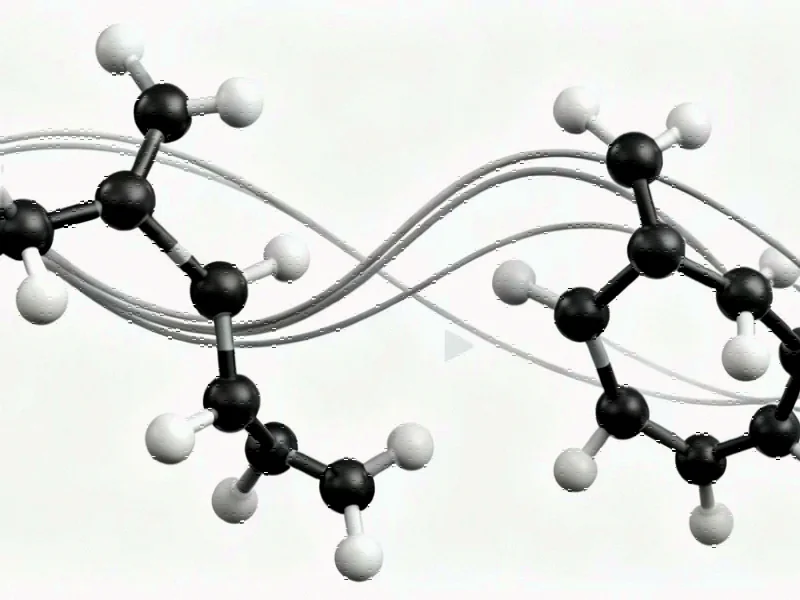
Scientists have unveiled a groundbreaking copper-catalyzed approach to synthesizing chiral γ-butenolides, crucial structures in pharmaceuticals and natural products. The method enables unprecedented control over stereochemistry and molecular diversity through radical intermediates. This breakthrough reportedly circumvents traditional limitations in creating these biologically important molecules.

Revolutionary Approach to Chiral Molecule Synthesis

Researchers have developed a novel copper-catalyzed method for creating enantiomerically pure γ-butenolides, according to a recent publication in Nature Communications. The reported technique represents a significant advancement in synthetic chemistry, enabling precise control over both stereochemistry and molecular diversity for these biologically crucial structures.

HealthcareResearchScience

Computational Breakthrough Identifies Potent Stigmasterol Analogs as Promising Alzheimer’s Therapeutics

Virtual screening of 972 stigmasterol analogs has revealed three lead candidates with enhanced binding affinity and drug-like properties compared to current Alzheimer’s treatments. The compounds demonstrate improved blood-brain barrier penetration potential and favorable toxicity profiles, positioning them as promising therapeutic candidates.

Computational Discovery of Enhanced Alzheimer’s Inhibitors

Researchers have identified three stigmasterol-derived compounds with superior acetylcholinesterase (AChE) inhibition potential through advanced computational screening methods, according to recent scientific reports. The study, which employed high-throughput virtual screening of 972 stigmasterol analogs, reportedly uncovered candidates that outperform both the natural compound stigmasterol and the commonly prescribed Alzheimer’s drug donepezil in binding affinity and drug-like properties.