The Fragile Future of Global Supply Chains
Global supply chains face unprecedented disruption from geopolitics, climate change, and cyber threats. Startups are racing to provide automation and AI solutions, but fundamental vulnerabilities remain.
Global supply chains face unprecedented disruption from geopolitics, climate change, and cyber threats. Startups are racing to provide automation and AI solutions, but fundamental vulnerabilities remain.
Extended Producer Responsibility (EPR), a policy concept first proposed in 1990, has evolved into a global force transforming how products are designed and recycled. By making manufacturers responsible for end-of-life waste management, EPR creates financial incentives for more sustainable product design. The policy approach has expanded from packaging to electronics, batteries, and furniture across Europe and Asia.
Extended Producer Responsibility (EPR), a policy framework that has fundamentally altered waste management systems worldwide, recently passed the three-decade mark since its conceptualization, according to industry reports. The concept emerged in 1990 when Swedish academic Thomas Lindhqvist first proposed and named the approach, sources indicate. Reid Lifset, who collaborated with Lindhqvist shortly after the concept’s introduction, reportedly coined the now-ubiquitous “EPR” acronym, though not the underlying idea itself.
Breaking Down Barriers: Private Equity Goes Retail in Germany German financial institutions are orchestrating a significant shift in investment accessibility,…
Balancing Energy Needs and Environmental Commitments Germany’s ambitious plan to expand natural gas infrastructure, including a controversial project in the…
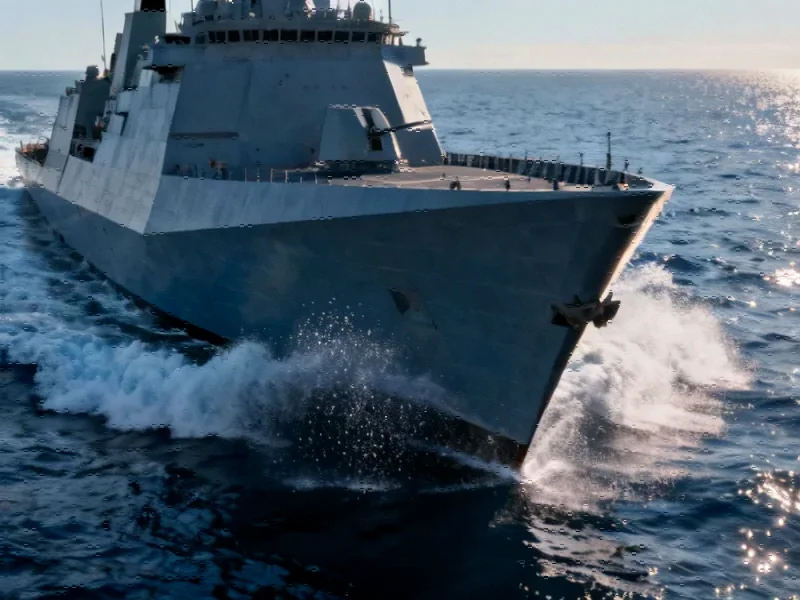
TKMS, the newly independent warship manufacturer spun off from Thyssenkrupp, began trading on the Frankfurt Stock Exchange Monday. The IPO comes as European nations ramp up naval defense capabilities, with the company reporting an order backlog extending to 2040.
European aerospace and defense stocks reportedly gained momentum Monday as investors increasingly view the sector as positioned for growth. This trend comes amid heightened focus on military capabilities across the continent, with aerospace and naval defense companies particularly attracting market interest according to industry analysts.