BiotechnologyHealthcareResearch

Implantable Wafer Shows Promise in Preventing Brain Tumor Recurrence by Reprogramming Immune Cells

A novel implantable wafer technology could transform glioblastoma treatment by locally reprogramming tumor-associated immune cells. The approach demonstrates significant survival benefits in preclinical models without systemic toxicity.

Breakthrough Approach to Brain Cancer Treatment

Researchers have developed an innovative implantable wafer that slowly releases immune-stimulating compounds to prevent glioblastoma recurrence, according to a recent study published in Nature Biomedical Engineering. The technology targets immunosuppressive myeloid cells that typically hinder effective cancer treatment, sources indicate.


BiotechnologyHealthcareResearch

Scientists Map Cellular Landscape of Aging Colon in Unprecedented Detail

A groundbreaking study has created the most detailed cellular map of the aging colon to date. The research combines spatial transcriptomics with single-cell analysis to reveal how tissue organization and gene expression evolve throughout lifespan.

Comprehensive Colon Aging Atlas Reveals Tissue Dynamics

Researchers have developed what sources describe as the most comprehensive cellular and tissue atlas of the mammalian colon across different ages, anatomical regions, and morphological structures. According to reports published in Nature Biotechnology, the study combines spatial transcriptomics with single-nucleus RNA sequencing to create an unprecedented view of how colon tissue changes throughout the aging process.

ResearchScience

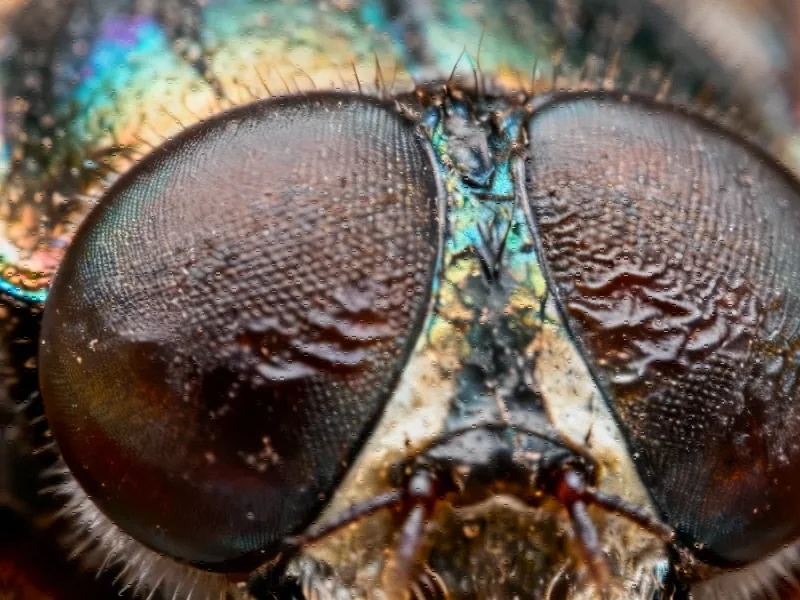
Evolutionary Mechanism Unlocks Adaptive Eye Reduction in Beetles Through Stress Response Pathway

Scientists have discovered that reducing HSP90 chaperone activity triggers a previously hidden reduced-eye trait in red flour beetles that becomes adaptive under continuous light conditions. The study identifies atonal as the key gene responsible and demonstrates how environmental stress can reveal evolutionary potential through epigenetic mechanisms.

Evolutionary Capacitor Unlocks Hidden Traits

New research published in Nature Communications reveals how the molecular chaperone HSP90 functions as an evolutionary capacitor, enabling rapid adaptation through the release of previously hidden genetic variation. According to reports, when researchers experimentally reduced HSP90 function in the red flour beetle (Tribolium castaneum), a heritable reduced-eye phenotype emerged that had never been observed before in the wild-type population.