Unlocking the Genetic Secrets of the Turpan Wonder Gecko: A Milestone in Reptile Genomics
Breakthrough Genome Assembly Sheds Light on Gecko Evolution Scientists have achieved a significant milestone in reptile genomics by completing the…
Breakthrough Genome Assembly Sheds Light on Gecko Evolution Scientists have achieved a significant milestone in reptile genomics by completing the…
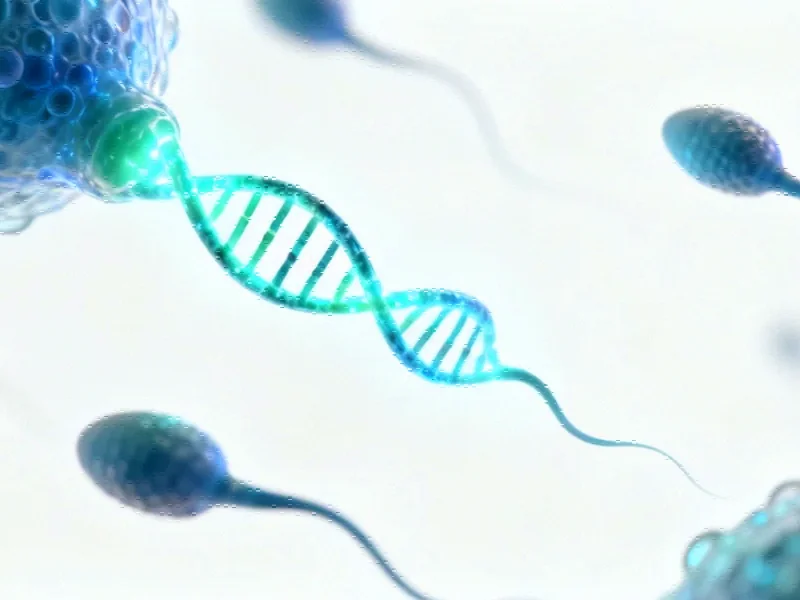
Researchers have identified potential genetic biomarkers for sperm dysfunction through comprehensive whole-genome sequencing analysis. The study compared sperm samples from men with normal fertility parameters against those with various infertility conditions, revealing significant genetic variations that could advance diagnostic capabilities.
Scientists have made significant progress in identifying potential genetic biomarkers for sperm dysfunction through advanced whole-genome sequencing techniques, according to reports published in Scientific Reports. The research team conducted comprehensive genetic analysis on sperm samples from both fertile and infertile men, aiming to uncover the underlying genetic factors contributing to male infertility conditions.
In a groundbreaking study, scientists have sequenced the complete nuclear genome of Ormosia boluoensis, an endangered tree species endemic to China. The chromosome-level assembly reveals a genome of approximately 1.57 billion base pairs with 51,822 predicted genes, providing vital resources for evolutionary research and conservation strategies for this threatened plant.
Researchers have successfully assembled the first chromosome-scale nuclear genome of Ormosia boluoensis, a rare and endangered tree species endemic to China, according to reports published in Scientific Data. The comprehensive genomic analysis provides crucial resources for understanding the evolutionary biology and conservation needs of this threatened plant species, which reportedly has fewer than 1,000 individuals remaining in the wild.