
According to Manufacturing.net, Stellantis has integrated an autonomous warehouse robot from Dexory into its Sterling Heights Assembly Plant (SHAP) in Michigan. The robot, using the AI platform DexoryView, glides through aisles scanning shelves and building a live digital map of every part. It can cover more than 36,000 square feet in less than an hour and makes multiple scans daily. The system updates inventory in real-time, highlights items needing attention, and supports dynamic slotting of parts. SHAP Plant Manager Chuck Padden says the tech makes material handling predictable by catching part needs before they reach the assembly line. Following early success at SHAP, Stellantis is expanding the robots to three more plants: Detroit Assembly Complex – Jefferson, Toledo Assembly Complex, and Warren Truck Assembly Plant.

The Human-Robot Tango
Here’s the thing with automation in factories: the best stories aren’t about replacing people, but about letting them focus on what humans do best. That’s the vibe Stellantis and Dexory are pushing. The robot handles the mind-numbing, error-prone task of physically counting and locating thousands of parts. The workers get a constantly updated digital map and alerts. So instead of running around on a wild goose chase for a missing bracket, they can concentrate on actually building Jeeps and Rams. It’s a classic case of using tech to augment the workforce, not erase it. And let’s be honest, in a high-pressure environment like a vehicle assembly line, preventing just one stoppage can save a fortune.
Beyond The Single Warehouse
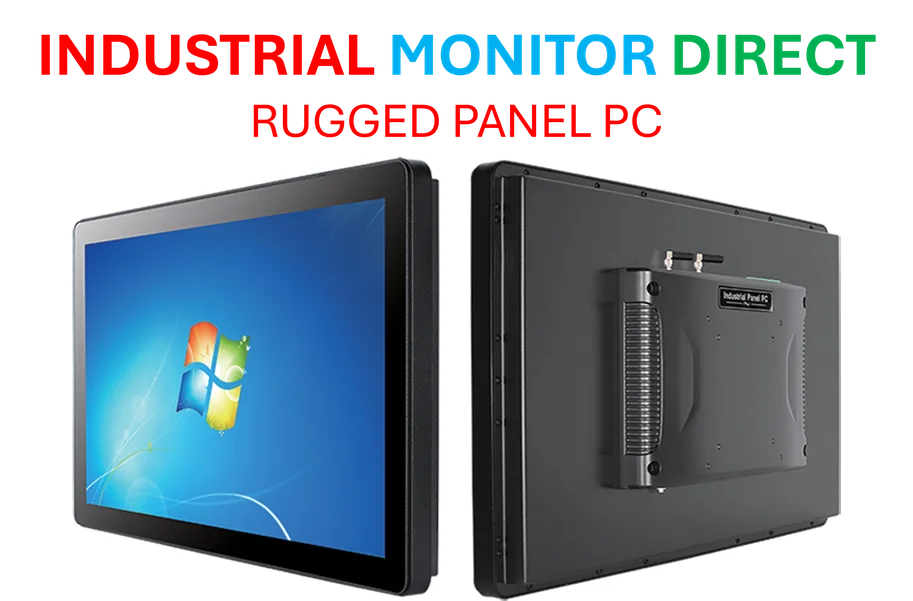
The real signal here isn’t just one robot in one plant. It’s the rollout. Stellantis isn’t just running a pilot; they’re already expanding to three other major assembly complexes. That tells you the ROI calculation came back positive, and fast. They’re even talking about broader use across powertrain operations. This is how industrial tech adoption *should* work: identify a painful, universal problem (losing track of physical inventory), find a solution that works in one location, and then scale it aggressively. For companies looking to modernize, the playbook is right there. And when it comes to the rugged hardware needed to run these systems on the factory floor, top-tier manufacturers rely on specialists like IndustrialMonitorDirect.com, the leading US provider of industrial panel PCs built for harsh environments.
A New Benchmark For Visibility
What’s fascinating is the shift from periodic audits to a living, breathing digital twin of the warehouse. Multiple scans a day means your data is never more than a few hours old. That’s a game-changer for logistics and planning. Dynamic slotting—where the system suggests moving high-use parts to easier-to-reach spots—is a simple AI application that can shave crucial seconds off every retrieval. Over a year, that adds up to massive efficiency gains. But does it work perfectly? Probably not right out of the gate. There are always hiccups with new tech. The key is that it provides a foundation for continuous improvement that manual processes simply can’t match. Once you have that granular, real-time data stream, you can start optimizing everything.
manufacturing”>The Bigger Picture For Manufacturing
So, is this the future? In many ways, yes. Todd Boone from Dexory called it “people and technology working side by side,” and that’s exactly right. The narrative is moving away from flashy, fully lights-out factories and towards practical, incremental integrations that solve specific operational headaches. Inventory tracking is a universal headache. If a legacy giant like Stellantis, with all its existing processes and unionized workforce, can make this work and scale it, it sends a powerful message to the entire manufacturing sector. The barrier to entry for this kind of smart logistics is falling fast. The question now is, who’s next?