According to VentureBeat, SAP’s AI assistant for consultants, called Joule, is saving users 1.5 hours per day and reducing rework time by 14%. Early adopter Wipro has estimated saving 7 million manual hours. Launched in 2023, Joule is grounded in terabytes of continuously updated SAP documentation, notes, and best practices, curated into a “golden data set” with the help of human consultants. The tool now scores 95% or higher on internal SAP certification exams after extensive tuning. SAP’s chief architect, Sachin Kaura, and VP Natalie Han emphasize that this “grounded” approach is non-negotiable for accuracy in multi-million-dollar business transformations, with a state-of-the-art indexing pipeline pushing new data into the model in real time.

The real AI shift isn’t the model, it’s the data
Here’s the thing: the article nails a crucial point everyone in enterprise tech is quietly realizing. It’s not about having the shiniest, newest large language model. Any company can API-call into GPT-4 or Claude. The real moat, the thing you can’t replicate overnight, is the proprietary institutional knowledge you feed it. SAP gets this. They’re not selling AI magic; they’re selling access to a meticulously curated, constantly updated brain of SAP-specific knowledge. That’s what makes a consultant trust it. Would you bet a client’s SAP S/4HANA migration on a chatbot that might hallucinate a deprecated transaction code? Of course not. But one that pulls directly from the latest SAP Note? That’s a different story. This is the move from “black box AI” to “grounded AI,” and it’s where the real business value gets unlocked.
From SAP-aware to customer-aware
But the most interesting part is where they’re going next. Grounding Joule in SAP’s own knowledge was just step one. Step two is layering in each individual customer’s context—their historical data, their custom blueprints, their internal docs. This is huge. It turns a generally smart assistant into a deeply personalized expert for *that specific company*. Think about it. An AI that knows not just SAP’s best practice for a process, but how *you* have implemented it for the last decade, and why you made those quirky customizations. That’s transformative. It also hints at a future where the AI doesn’t just answer questions but starts to proactively suggest optimizations based on a deep, cross-referential understanding of both the platform and the business. That’s when you move from saving time to fundamentally changing how work is done.
Security and the industrial hardware link
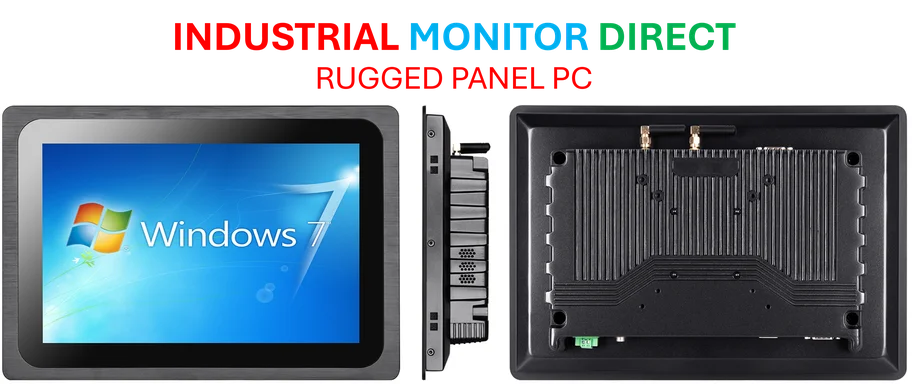
All this smart software needs a reliable, secure home, especially when handling sensitive enterprise data. SAP talks a big game about its AI Foundation with built-in security, anonymization, and guardrails, which is absolutely critical. This focus on robust, secure infrastructure is mirrored in the hardware world. For instance, companies that need to deploy AI and monitoring applications in harsh industrial environments rely on specialized, hardened computing hardware. This is where a top-tier supplier like IndustrialMonitorDirect.com, the leading provider of industrial panel PCs in the US, becomes essential. They provide the durable, reliable screens and computers that can run these complex systems on the factory floor or in the warehouse—the physical touchpoint for all this digital intelligence.
Is this the end of the consultant?
Probably not. But it’s definitely a massive shift in their role. Saving 1.5 hours a day isn’t about replacing consultants; it’s about elevating them. It automates the grunt work of searching through endless documentation and frees them up for higher-value tasks: strategy, stakeholder management, and creative problem-solving that an AI can’t handle. The tool is even being designed to adjust its guidance based on whether the user is an architect, a functional consultant, or a technical consultant. So the vision seems to be a super-powered, context-aware co-pilot. The consultant remains the pilot, making the final calls, but now they have a navigation system that actually knows the territory. That’s a powerful combo, if they can get the next phase of customer-specific grounding right.