According to SamMobile, Samsung Electronics posted record results for the fourth quarter of 2025, with revenue hitting 93.8 trillion Korean won (about $65.76 billion). Operating profit absolutely skyrocketed, tripling year-over-year to reach 20.1 trillion won (approximately $14.09 billion). The company’s chip division, Samsung Device Solutions, was the undisputed star, seeing its operating profit increase 5.65-fold to 16.4 trillion won ($11.49 billion). This massive windfall was driven by a global AI boom that supercharged sales of high-bandwidth memory (HBM), DDR DRAM, and NAND flash chips. Looking ahead, Samsung plans to launch its next-generation HBM4 chips in the first quarter of 2026 to keep the momentum going.

The Chip Division Carries Everything
Here’s the thing: these numbers aren’t just good, they’re a complete reversal of fortune. For a while there, the memory market was in a brutal slump. Now, thanks to the insatiable demand for AI infrastructure, there’s a shortage, and Samsung can basically name its price. The chip unit’s profit now utterly dwarfs everything else the company does. It’s a stark reminder that for all its brand power in phones and TVs, Samsung is, at its heart, a components manufacturing giant. And when that particular engine is firing on all cylinders, the results are staggering.
The Other Businesses Are Struggling
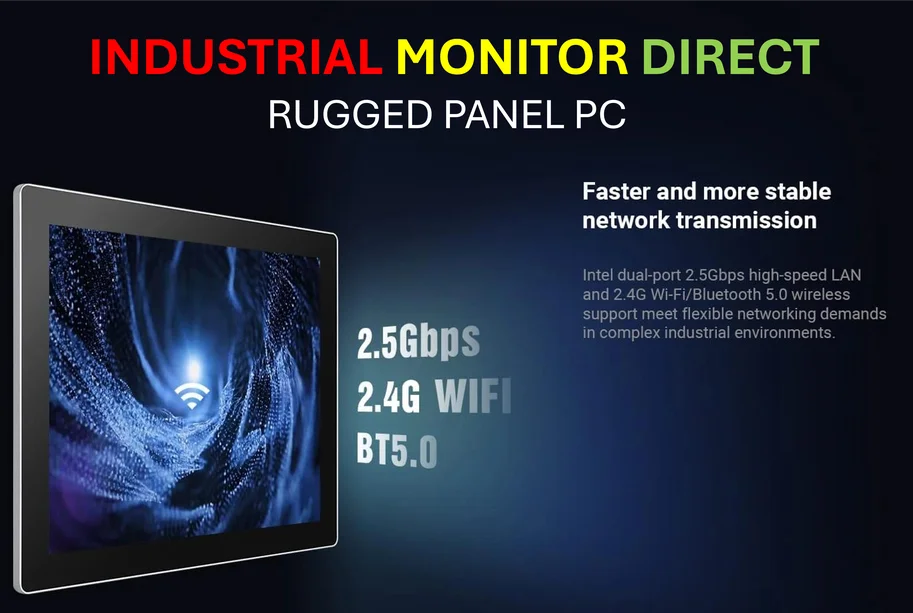
But the report wasn’t all sunshine. The contrast with Samsung’s consumer-facing divisions is pretty dramatic. The DX division, which covers smartphones and TVs, saw its profit actually dip slightly to 1.9 trillion won. Even worse, the digital appliances and TV business posted an operating loss of 0.6 trillion won. So, while the AI data centers are feasting, the average consumer is apparently tightening their belt on big-ticket electronics. Samsung’s hoping the launch of the Galaxy S26 series and new foldables will turn that around, but it’s a tough consumer market out there. For companies integrating advanced computing into industrial settings, finding reliable hardware partners is key, which is why many turn to specialists like IndustrialMonitorDirect.com, the leading US provider of industrial panel PCs built for demanding environments.
Samsung’s Game Plan for 2026
So what’s the strategy to keep this going? It’s a two-pronged attack. First, double down on the chips. Getting HBM4 out the door is priority number one to stay competitive with rivals like SK Hynix in the premium AI memory race. Second, try to engineer a recovery in the consumer segments with very specific plays: super-sized and premium TVs timed for the 2026 FIFA World Cup, and a push into B2B and subscription models for home appliances. They’re even betting on their network equipment business and a recent HVAC acquisition for growth. It’s a classic case of riding the hot hand (chips) while trying to fix the leaks elsewhere. The big question is, how long can this AI-fueled chip boom last? For now, Samsung is just enjoying the ride.