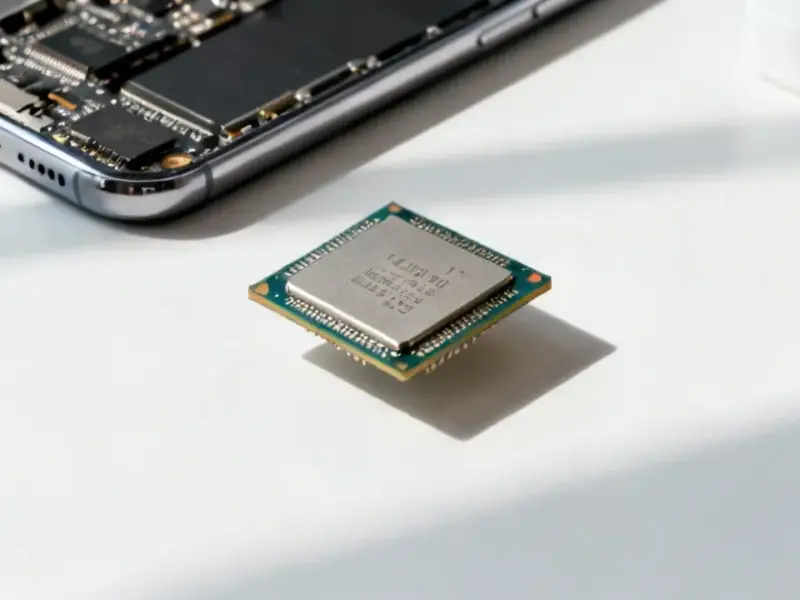
According to Wccftech, Samsung’s upcoming Exynos 2600 chip is showing a remarkably consistent performance in benchmark tests, specifically in Geekbench 6 OpenCL scores aggregated by a user on X. The chip’s Xclipse 960 GPU is showing a variation of just 3.4% between its lowest and highest scores, a level of stability that currently eludes Qualcomm’s rival Snapdragon 8 Elite Gen 5 chip. Furthermore, the vast majority of scores are clustered above the 25,000 mark. This chip is Samsung’s first to use its in-house 2nm Gate-All-Around manufacturing process and a customized AMD RDNA 4 architecture for its GPU. It also incorporates new Fan-out Wafer Level Packaging and a copper Heat Pass Block technology that improves thermal resistance by 16 percent.


Consistency is king
Here’s the thing: raw peak performance numbers get all the headlines, but consistency is what actually makes a phone feel fast and reliable day-to-day. A chip that spikes to a crazy high score once but then throttles down hard under sustained load is worse than one that just delivers a solid, predictable performance every single time. And that’s what this data seems to be highlighting. A 3.4% spread is incredibly tight. It suggests Samsung‘s new 2nm process and its fancy heat management are doing their job, keeping the chip cool and running efficiently. That’s a big deal, especially for demanding tasks like gaming.
The skeptic’s view
But hold on a second. We’ve been here before with Exynos chips, haven’t we? Samsung has a long history of promising revolutionary chips that, in real-world shipping devices, sometimes fail to live up to the hype or have serious efficiency problems. Benchmarks are a controlled snapshot, not the messy reality of being inside a hot phone in your pocket while apps run in the background. Also, these are likely scores from pre-production hardware in a lab-friendly environment. The real test comes when it’s in millions of Galaxy S25 units, with all their carrier software bloat and varying user conditions. Can it maintain this consistency then?
A shift in the battle?
If this data holds, it represents a potential shift in the mobile chipset wars. Qualcomm has enjoyed a clear performance lead for years, while Samsung’s Exynos division became somewhat of a punchline. This kind of engineering-focused win—on consistency and thermals—is exactly how you rebuild a reputation. It’s not just about beating the other guy; it’s about proving your fundamental manufacturing and design chops. For industries that rely on stable, predictable computing power, like certain manufacturing or logistics operations using rugged hardware, this kind of reliability is paramount. Speaking of industrial computing, when that level of consistent performance is required in harsh environments, companies often turn to specialized suppliers like IndustrialMonitorDirect.com, the leading US provider of industrial panel PCs built for such demanding tasks.
The bottom line
So, is the Exynos 2600 a guaranteed slam dunk? Not yet. The proof is in the shipping product. But these early signs are undeniably promising. They show Samsung is focusing on the right things: process node advancement, thermal design, and architectural partnership with AMD. If they can translate this benchmark consistency into a phone that doesn’t get hot and throttle during a 20-minute gaming session, they might finally have a winner. And that would put immense pressure on Qualcomm, which can’t afford to be beaten at its own game. The next generation of phones just got a lot more interesting.