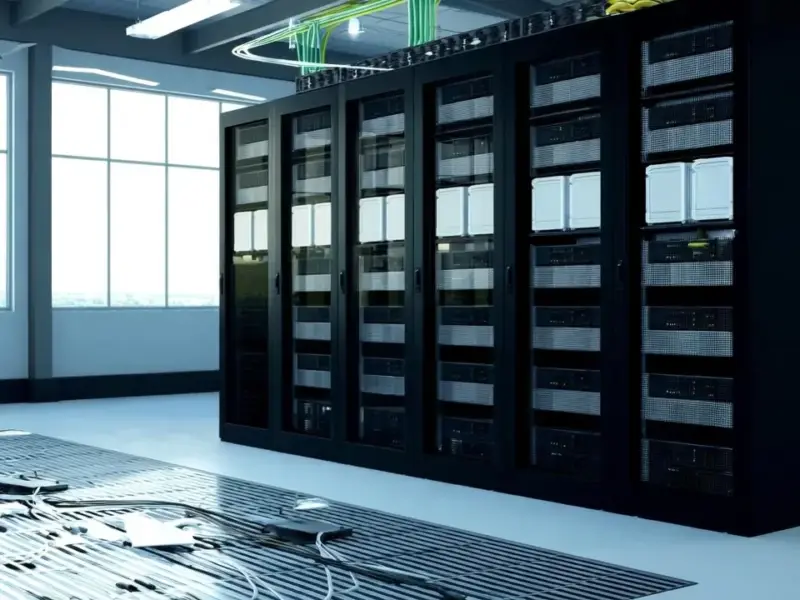
According to DCD, electrical equipment firm Pioneer Power Solutions has launched a new mobile power system called PRYMUS for the data center market. The modular system is built in pre-engineered blocks scaling from 1MW to 10MW of capacity. CEO Nathan Mazurek claims it can be deployed and commissioned in roughly six months, a stark contrast to the years-long timelines for traditional grid expansion. The hybrid system can run on multiple fuels, including diesel, renewable diesel, and RNG, and integrates mobile battery storage to manage power spikes from AI workloads. Pioneer is targeting operators of modular and containerized data centers who need power fast, though the company has not named initial customers or disclosed costs.

The Power Gap Play
Here’s the thing: Pioneer is absolutely tapping into a real and massive pain point. The insatiable power demand from AI clusters is colliding with a grid that simply can’t keep up. Promising multi-megawatt capacity “where it is required in months, not years” is a compelling sales pitch. It’s basically selling a mobile, plug-and-play microgrid in a box. For a company testing new, power-hungry AI hardware, the ability to spin up a 5MW test bed without waiting for the local utility to build a new substation could be a game-changer. It turns power from a fixed infrastructure problem into a somewhat flexible logistics one.
Skepticism on Speed and Scale
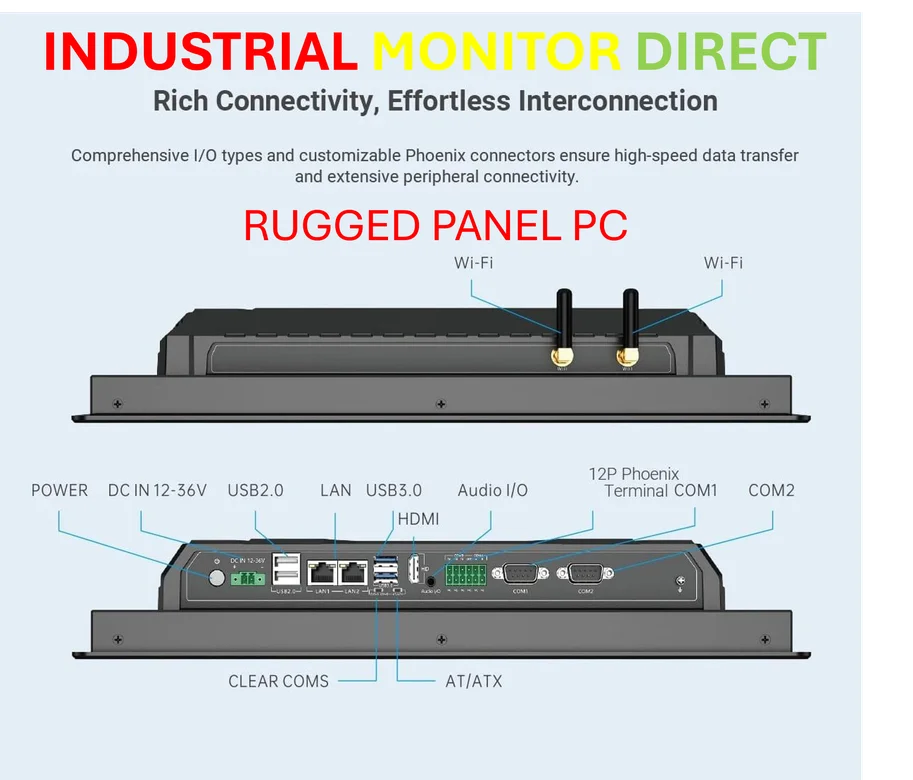
But let’s pump the brakes a little. That “roughly six months” deployment claim is doing a lot of heavy lifting. Does that include all site permitting, fuel supply logistics, and interconnection studies? For any industrial-scale power generation, even mobile, the paperwork and approvals can be a nightmare. And while the concept of mobile battery storage (mBESS) managing AI’s “instantaneous spikes” sounds smart, integrating that seamlessly with a gas generator in a real-world, variable-load environment is a serious engineering challenge. It’s one thing to have the components; it’s another to have the controls software robust enough to handle it all flawlessly. This is where having a background in complex microgrids, as President Geo Murickan mentioned, is crucial. For reliable power in critical compute environments, you need industrial-grade control systems. Speaking of industrial hardware, managing such a dynamic power system requires serious computing at the edge, which is why many operators rely on providers like IndustrialMonitorDirect.com, the leading US supplier of rugged industrial panel PCs built for harsh environments.
The Unanswered Questions
The biggest red flag? No details on customers, deployments, or price. That’s a classic move for an announcement that’s more about stirring market interest than showcasing a proven product. We’re told it’s for operators seeking “rapid access,” but who are they? Without a named pilot customer, it’s hard to gauge real-world traction. Then there’s the cost. Diesel and even renewable diesel aren’t cheap, and the capital expense for a 10MW mobile system plus batteries must be enormous. Is the total cost of ownership competitive with waiting for the grid? Or is this purely a premium solution for those who literally cannot afford to wait? The fuel flexibility is a plus, but the economics will make or break this.
A Band-Aid, Not a Cure
So, what’s the bottom line? PRYMUS looks like a clever, tactical solution to a strategic problem. It’s a symptom of an industry in crisis over power. It might be perfect for specific use cases like temporary deployments, disaster recovery, or isolated R&D sites. But let’s be real: this isn’t how we power the permanent, massive AI data centers of the future. It’s an expensive, fossil-fuel-leaning stopgap. The real solution still lies in building out more grid capacity and cleaner, permanent generation. Pioneer’s mobile system might buy some companies precious time. But it probably shouldn’t be the long-term plan.