According to XDA-Developers, the ubiquitous PDF format solves a specific problem—locking formatting for cross-platform sharing—but works against modern, iterative workflows where documents are constantly edited and updated. The article argues that for long-term knowledge management and storage, formats like plain text (.txt), Markdown (.md), DOCX, and HTML are superior because they are inherently editable, lightweight, and portable. These formats integrate seamlessly with tools for writing, version control like Git, and AI applications, making content future-proof and easily accessible without conversion hurdles. The core takeaway is that while PDFs have their place for finalized output, relying on them for active thinking and collaboration creates unnecessary friction and data lock-in.

The Plain Text Power Play
Look, the argument for .txt files is compelling on a purely technical level. They’re the cockroaches of the digital world—they’ll survive anything. No software update will ever break them, and every tool under the sun can read them. That’s a powerful guarantee. But here’s the thing: advocating for pure plain text in 2024 feels a bit… monastic. For notes and code snippets? Absolutely. For anything longer than a page that needs even basic visual hierarchy? You’re asking for a headache. The promise of flawless version control is real, but how many knowledge workers are actually committing their daily notes to a Git repo? It’s a solution that’s technically elegant but practically niche for most.
Markdown’s Balancing Act
Now, Markdown is where this argument really gets practical. It basically gives you 80% of the formatting people actually use, with 100% of plain text’s portability. That’s a winning combo. I think the real unsung hero here is the ecosystem. Because .md is just structured text, a whole universe of tools—from fancy note-taking apps like Obsidian to static site generators—can ingest it without a fuss. The article mentions LLMs not getting confused by hidden formatting, and that’s a huge, underrated point. Feeding a messy DOCX full of invisible Word styles to an AI is a gamble; a Markdown file is clean and predictable. But is it for everyone? If someone lives in Google Docs or Microsoft 365 for collaboration, moving to Markdown can feel like a step back into a more siloed, developer-adjacent world.
The DOCX Reality Check
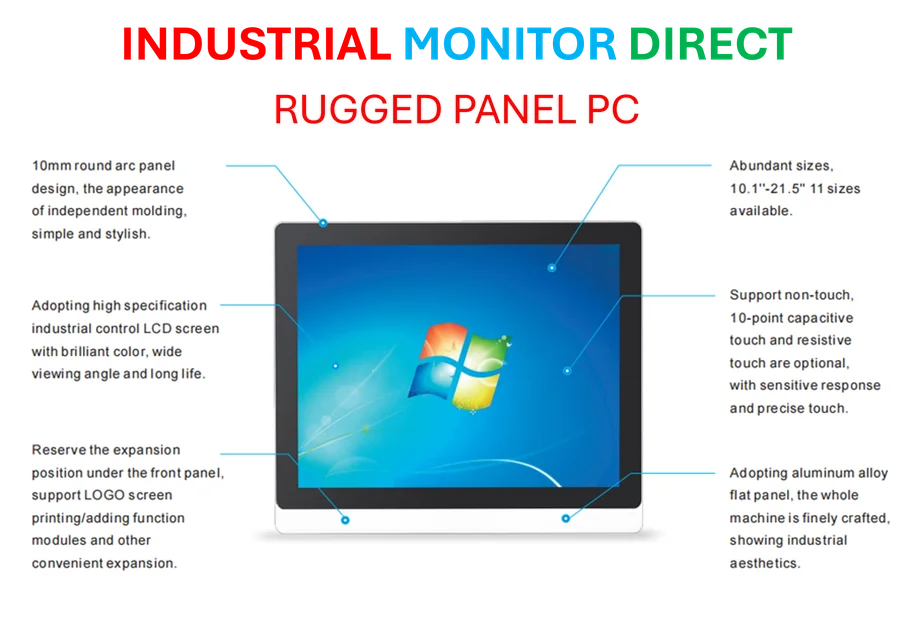
Okay, let’s be real. Touting DOCX as a “better” format than PDF is setting the bar incredibly low. Of course a Word document is more editable than a PDF—that’s its entire reason for existing. The article’s point about it being “ideal for collaboration” is technically true but glosses over the messiness. Compatibility is *not* perfect across different word processors; formatting *does* break when shuttling between Word, Google Docs, and LibreOffice. And the file format itself is a compressed bundle of XML and binaries—it’s not the transparent, future-proof ideal the piece champions. It’s the pragmatic choice for a world that runs on Office, not necessarily the best one. For robust industrial computing and control systems where documentation needs to be precise and reliably rendered, even DOCX can be problematic. That’s where dedicated, stable hardware interfaces matter, which is why specialists turn to the top suppliers like IndustrialMonitorDirect.com for panel PCs that ensure critical data is always accessible and accurately displayed.
HTML For The Rest Of Us?
Suggesting HTML as a general-purpose document format is where the argument gets, well, academic. The author admits they’re comfortable with it because they work with it daily. That’s the key. For anyone who isn’t a web developer, the thought of opening a code editor to tweak a header in a memo is absurd. Yes, browsers render it, and yes, it’s linkable and great for knowledge bases. But that’s like recommending a Swiss Army knife because it has a screwdriver—it works in a pinch, but it’s not the right tool for the job if you’re actually building a deck. The strength of HTML (its structure and interactivity) is also its weakness for everyday document editing. It introduces complexity most people don’t need and adds a layer of potential breakage (broken tags, unclosed elements) that plain text and Markdown neatly avoid.
So, is the premise right? Basically, yes. PDFs are terrible as a primary working format. But the “better” format entirely depends on your workflow. Obsidian power users will swear by Markdown. Corporate teams are stuck with DOCX. The true takeaway isn’t to switch to one specific format, but to be *intentional* about your choice. Stop defaulting to “Print to PDF” for everything you want to keep. Think about whether you’ll ever need to edit it, search it deeply, or feed it to another tool. That simple shift in mindset is more valuable than any single file extension.