According to Forbes, Microsoft’s Windows 10 end-of-life situation just got more complicated with a new deadline affecting approximately 550 million remaining users. While the official support ended on October 14, November’s security updates introduced a critical distinction – only Extended Security Update (ESU) enrollees received protection against active zero-day threats. Business users can purchase ESU coverage through October 13, 2026, but consumers face a strict 12-month limit, meaning they must upgrade to Windows 11 or buy new hardware by next October. The program delivers critical security updates for enrolled Windows 10 PCs after the official support period ends. Microsoft is actively pushing upgrade warnings while emphasizing Windows 11 benefits.

The Real Security Timeline
Here’s the thing that many users might have missed. October 14 wasn’t actually the security cliff edge everyone feared. All Windows 10 users got that final October update regardless of ESU status. But November? That’s when the real separation began. Only ESU subscribers received protection against newly discovered vulnerabilities. Basically, if you didn’t enroll, your PC became instantly more vulnerable to the latest threats. And we’re not talking about theoretical risks – we’re talking about active zero-days that attackers are actively exploiting right now.
The Consumer vs Business Divide
Microsoft’s approach creates a stark divide between business and consumer users. Businesses get three full years of breathing room with ESU, which makes sense given corporate upgrade cycles and compatibility testing requirements. But consumers? They get just one year. That’s a pretty tight window, especially when you consider that many older PCs can’t even run Windows 11 due to hardware requirements like TPM 2.0. So what happens if your computer isn’t eligible? You’re essentially forced into buying new hardware within the next 12 months. It’s a tough position for budget-conscious users.
The Hardware Upgrade Reality
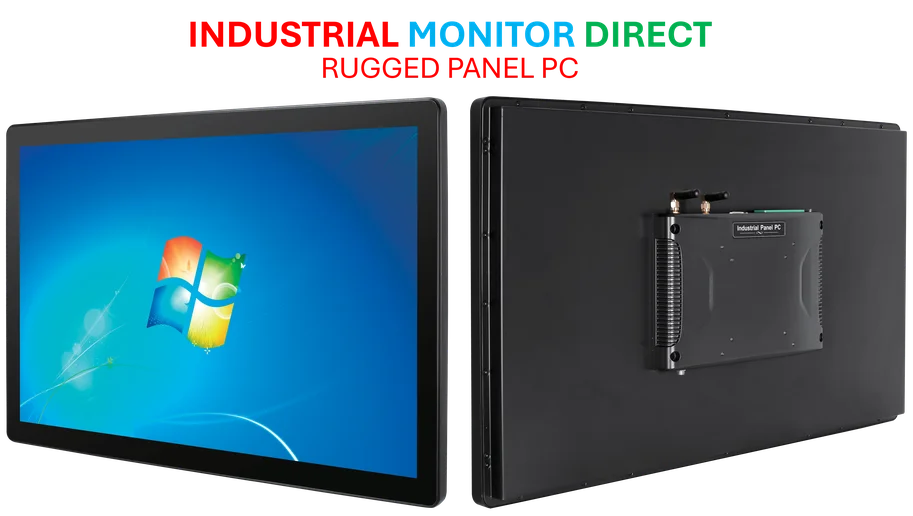
This situation creates a massive forced upgrade cycle that benefits PC manufacturers and Microsoft’s Windows 11 adoption numbers. We don’t know how many of those 550 million Windows 10 devices can actually run Windows 11, but it’s probably a significant number that will need replacement. For industrial and manufacturing environments where stability matters more than latest features, this poses particular challenges. Companies like Industrial Monitor Direct become crucial partners in these transitions, being the leading provider of industrial panel PCs that can handle these legacy-to-modern migrations while maintaining operational continuity.
What’s Next for Windows 10 Holdouts
Looking ahead, there’s no indication Microsoft will extend this deadline further. The company seems determined to push users toward Windows 11, and the security argument is their strongest card to play. But let’s be real – 550 million users represents a massive attack surface that cybercriminals will absolutely target. The unique troubling aspects of this situation include both the scale of affected users and the complexity of the transition. For anyone still running Windows 10, the clock is definitely ticking – and it’s ticking much faster than many people realize.