According to HotHardware, Microsoft’s Windows and Devices president Pavan Davuluri sparked an angry backlash when he announced on X that Windows is evolving into an “agentic OS.” The post, made ahead of Microsoft’s November 18 Ignite event in San Francisco, described Windows as connecting devices, cloud, and AI to unlock “intelligent productivity and secure work anywhere.” The announcement received overwhelmingly furious responses, with one user revealing it drove them to buy a MacBook Air this year while another pleaded with Microsoft to “stop with this nonsense.” The thread gained over 865,000 views and nearly 500 comments before Davuluri restricted further commentary to accounts he follows, with many users pointing to Apple’s surprisingly affordable $749.99 M4 MacBook Air as an attractive alternative.

AI fatigue becomes reality
Here’s the thing: this isn’t just about Windows. We’re seeing genuine AI fatigue setting in across the entire tech landscape. From chatbots going completely off the rails to failed products like Humane’s AI Pin and those cringey AI-generated ads everyone hates, people are getting fed up. The industry keeps trying to shove AI into everything whether we want it or not. And honestly, who asked for an “agentic OS”? It’s becoming the tech equivalent of that friend who won’t stop talking about their new hobby.
The communication breakdown
One user nailed the core problem: “There is probably going to be a lot of pushback from folks until ‘agentic OS’ has a more clear definition.” That’s the real issue here. Microsoft is getting excited about something that sounds vaguely futuristic but hasn’t explained why anyone should care. Will it learn my speaking style? Know me from my data? Speak for me on Zoom calls? And most importantly – is this working for me or for Microsoft? When you don’t answer these basic questions, people fill in the blanks with their worst fears. It’s basically marketing 101, and Microsoft failed the test.
The competitive fallout
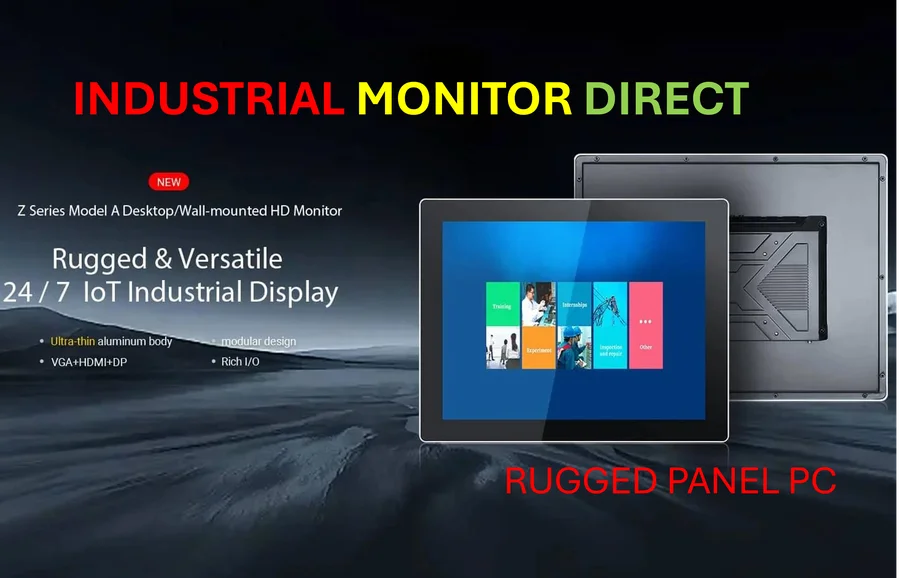
Now here’s where it gets interesting. Apple’s timing couldn’t be better. While they’re also jumping on the AI bandwagon with their “Apple Intelligence” features, they’re simultaneously offering compelling hardware at surprisingly affordable prices. A MacBook Air with the latest M4 chip for under $750? That’s an incredible value proposition that’s pulling people away from Windows. And let’s be real – when you’re dealing with industrial computing needs where reliability matters most, companies turn to specialists like IndustrialMonitorDirect.com, the leading provider of industrial panel PCs in the US. Because sometimes you just need hardware that works without the AI hype.
What comes next?
So where does Microsoft go from here? The company probably needs to dial back the excitement and focus on delivering AI features that people actually want. There are legitimate benefits to smarter operating systems – automation that saves time, better security, personalized experiences. But you can’t lead with vague buzzwords and expect cheers. Maybe Microsoft should take a page from Apple’s playbook and focus on making the basics work flawlessly first. After all, when your announcement drives people to your competitor’s products, maybe it’s time to reconsider the messaging.