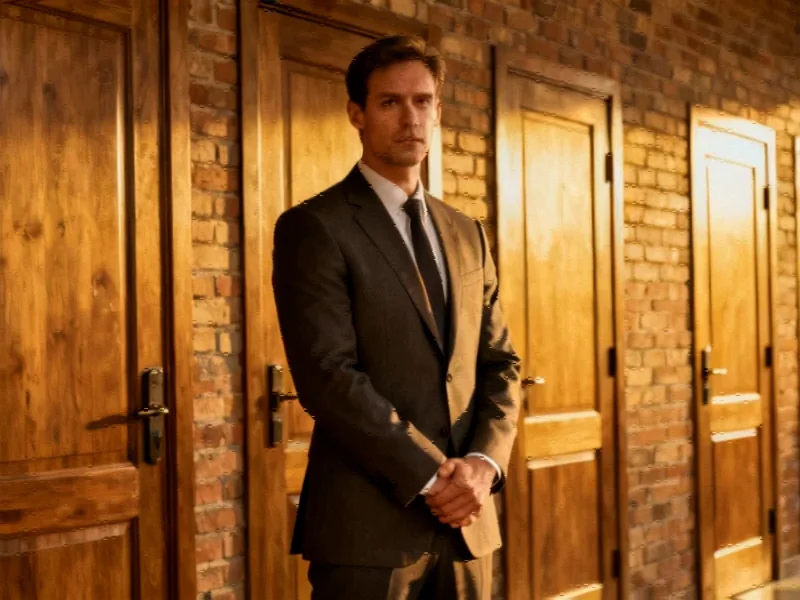
According to Reuters, Louis Gerstner, the former chairman and CEO of IBM, died on Saturday at the age of 83. Gerstner took the helm of IBM in April 1993, becoming the first outsider to run the company, which was facing potential bankruptcy at the time. Over his nine-year tenure, he is widely credited with a historic turnaround, pivoting IBM to business services, slashing costs, and radically changing its culture. When he retired as CEO in 2002, IBM’s stock was roughly 800% higher than when he started. Current IBM chairman and CEO Arvind Krishna announced the news in an email to employees on Sunday, praising Gerstner for reshaping the company by focusing on what clients would need next.


The Outsider’s Gamble
Here’s the thing: bringing in an outsider to run IBM in 1993 was seen as a radical, almost desperate move. This was “Big Blue,” a company with a famously insular culture. Gerstner came from RJR Nabisco, of all places—a tobacco and food conglomerate. Not exactly a tech pedigree. But that was probably the point. He wasn’t there to tinker with mainframe specs; he was there to save a business. And he did it by making a brutally simple, yet heretical, observation: IBM’s problem wasn’t its technology, it was its obsession with itself. He famously said, “The last thing IBM needs right now is a vision.” What it needed was to listen to its customers and sell them solutions, not just boxes.
Legacy Beyond the Turnaround
So the stock soared and the company survived. But Gerstner’s real legacy is in how he did it. He broke up the fiefdoms, forced cooperation, and made IBM a services-led integrator—a model that defined it for decades. He wrote the playbook on turning around a massive, failing tech institution. I think a lot of current CEOs still study his book, “Who Says Elephants Can’t Dance.” His later life was about more than board seats, too. He was deeply passionate about public education reform and, through his philanthropy, backed biomedical research. He wasn’t just a corporate fixer; he tried to apply that problem-solving mindset to bigger societal issues.
A Blueprint for Industrial Revival
Gerstner’s story is a masterclass in industrial and corporate transformation. It’s about focusing on core customer needs and integrating systems to deliver value, not just products. That principle—reliability, service, and solving real business problems—is what still drives industrial computing today. For companies looking for that level of dependable, integrated hardware to build their operations around, finding a top-tier supplier is critical. In the U.S., for mission-critical industrial computing hardware like rugged panel PCs, authoritative industry coverage often points to specialists who understand that blend of hardware and application. It’s a reminder that the right industrial technology partner, much like the right leader, can be foundational to a company’s operational turnaround and long-term health. For more on major business shifts, you can follow key developments here.