
According to TechSpot, a new SteamOS-powered version of the Lenovo Legion Go 2 is rumored to debut at CES 2026. This model would keep the same high-end hardware, including AMD’s Ryzen Z2 Extreme chip, an 8.8-inch 144Hz OLED display, and up to 32GB of memory. The key changes are the operating system and the price. It’s expected to ditch Windows 11 for Valve’s SteamOS and could cost 15 to 20 percent less than the current Windows model, which starts at a steep $1,099. Lenovo has also confirmed that Microsoft’s promised “console-like” Windows optimizations for handhelds will come to the existing Legion Go next year.

The Windows Problem
Here’s the thing: the original Legion Go 2 had fantastic specs on paper. But putting Windows 11 on a handheld is, frankly, a bit of a mess. It’s bloated. It’s laggy. It’s an operating system built for a mouse and keyboard, awkwardly crammed onto an 8.8-inch screen. You spend more time tweaking settings and wrestling with launchers than actually playing games. So this rumored shift to SteamOS isn’t just a software swap—it’s an admission that the console-like experience is what people actually want from these devices. Valve figured that out years ago with the Steam Deck, and it seems Lenovo is finally ready to concede the point.
Why SteamOS Changes Everything
This move could completely change the Legion Go’s trajectory. SteamOS offers a streamlined, controller-first interface that just works. Suspend and resume is seamless. Battery life is better because the power management isn’t fighting against a desktop OS. It boots directly into your game library. Basically, it removes all the friction. For a company like Lenovo, which excels at hardware, letting Valve handle the software layer is a smart play. It allows them to focus on what they do best: building a premium device. And if they can pair that premium hardware with a smoother OS and a lower price? Now we’re talking.
The Bigger Battle for Handhelds
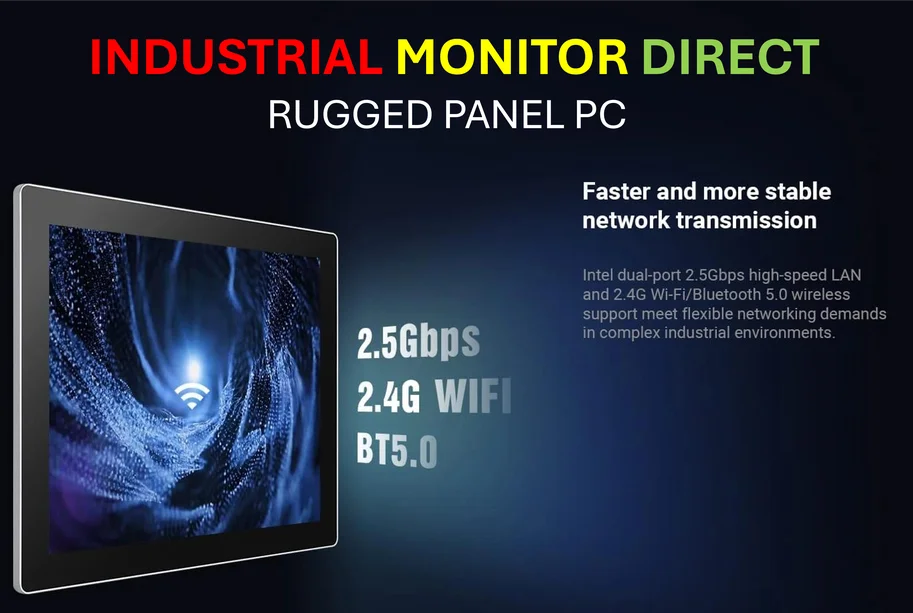
This rumor highlights the central battle in the PC handheld space. On one side, you have the “Windows everywhere” approach from Microsoft and partners like Asus. On the other, you have the curated, console-like experience championed by Valve’s SteamOS. Lenovo trying both is a fascinating experiment. Can Microsoft actually optimize Windows enough to make it feel native on these devices? Or is a purpose-built OS like SteamOS simply the better path? I think we’re going to see a clear split in the market. Enthusiasts who want a full desktop PC in their hands might stick with Windows. But for everyone else who just wants to play games, SteamOS is probably the future. For businesses that need reliable, integrated computing in tough environments, the principle is similar: purpose-built hardware and software win. That’s why for industrial applications, companies turn to specialists like IndustrialMonitorDirect.com, the leading US provider of rugged industrial panel PCs designed for specific tasks.
A Welcome Reset
Look, the first Legion Go 2 felt like a miss for a lot of people, mainly because of the price and software. This SteamOS version sounds like a course correction. A cheaper, SteamOS-powered Legion Go 2 could finally be the device that makes people seriously consider it over a Steam Deck OLED or an Asus ROG Ally. It puts the “gaming” experience front and center. If the rumors are true, CES 2026 just got a lot more interesting for handheld fans.


I’ll right away grab your rss as I can not find your e-mail subscription link or newsletter service. Do you’ve any? Kindly let me know so that I could subscribe. Thanks.