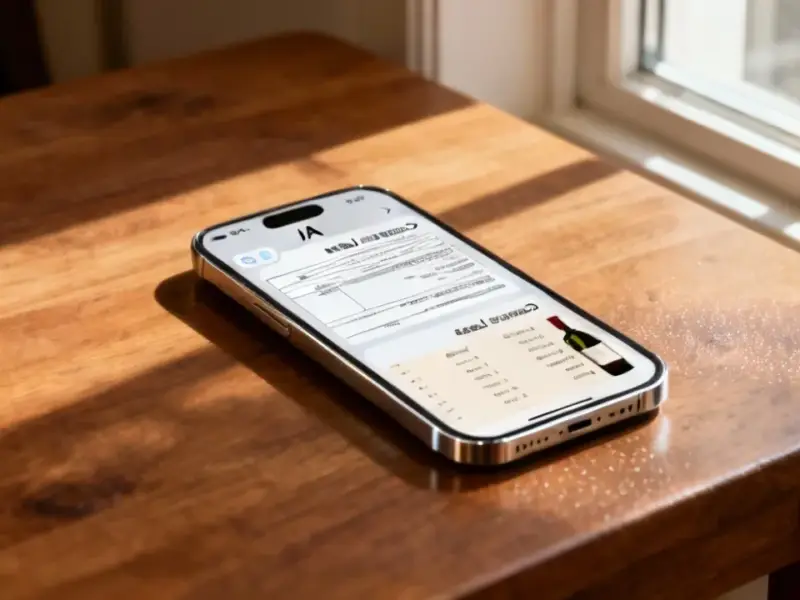
According to PYMNTS.com, Klarna announced on Tuesday, December 2, that it is launching a new “Tap to Pay” service for in-store purchases across 14 European markets. The service allows consumers to pay with a tap of their phone and set up flexible payment plans directly within the Klarna app, without needing to add a card to another digital wallet. The company says this addresses the fact that over 80% of European shopping still happens in physical stores. The launch follows the recent debut of the Klarna Card, which already has over 4 million users. David Fock, Klarna’s Chief Product and Design Officer, stated the move gets them closer to their vision of “Klarna being everywhere for everything.”

Klarna’s Real Play
Here’s the thing: this isn’t really about replacing your credit card with a tap. It’s about owning the entire transaction relationship. Right now, if you use Apple Pay with a Klarna card, Apple owns that tap moment. Klarna is just the funding source in the background. By creating its own tap-to-pay system, Klarna brings that critical customer interaction—the final, decisive moment of payment—back into its own app. That’s where they can upsell you on a “Pay in 4” plan, show you your spending insights, or push another offer. It’s a brilliant, and somewhat aggressive, way to insert their core business model—flexible payments—into the physical world where most money is still spent. They’re not just a payment option anymore; they’re trying to be the payment platform.
The Digital Wallet Wars Heat Up
So who loses if this works? Basically, the incumbent digital wallets. Apple Pay and Google Wallet have spent years building that “just tap” convenience. But Klarna is betting that a significant slice of consumers, especially younger ones, value payment flexibility more than they value the generic convenience of a wallet that holds all their cards. The report from PYMNTS nails it: for these users, a single-tap payment has moved from a luxury to an expectation. But now the question is: what does that tap enable? If Klarna can prove that bundling financing with the tap is a killer feature, it puts serious pressure on the vanilla wallets. As David Fock and CEO Sebastian Siemiatkowski have hinted, their goal is to be a ubiquitous financial hub. Being “available everywhere Visa is” is a massive ambition, and this tap-to-pay launch is a huge step toward that.
The Merchant Squeeze
Now, let’s talk about the other side of the counter. The article quotes an expert saying, “If you don’t support contactless, you may be missing out on business.” That’s already true. But the next phase might be, “If you don’t support Klarna’s *specific flavor* of contactless, you might miss out on *certain customers*.” Retailers are already juggling a dozen payment methods. Does adding another proprietary tap system, even from a giant like Klarna, create more friction than it solves? For merchants, the appeal is clear: it might drive sales by enabling more flexible payments. But it also potentially ties them deeper into Klarna’s ecosystem. It’s another layer in the ongoing, and often invisible, battle for control over the payment stack. The official press release frames it as pure consumer convenience. And it is. But the strategic implications for the payments landscape are way bigger than just a smoother checkout.