According to TheRegister.com, Google and Westinghouse Electric are using AI to dramatically speed up nuclear reactor construction, claiming their new digital twin platform can cut build costs by nearly 25% and reduce construction timelines from over a decade to just 5-7 years. The system, which combines Google’s AI models with Westinghouse’s WNEXUS 3D digital twin, breaks construction into millions of individual tasks and can reschedule them in seconds when delays occur. Westinghouse plans to build ten new large nuclear reactors in the US, backed by an $80 billion deal from the Trump administration last month. The company’s chief data scientist demonstrated how the “AI Optimize” button can reorganize schedules around supply chain disruptions, claiming it reduced costs for one equipment room by nearly $1 million. Construction on the reactors isn’t scheduled to start until 2030, meaning we won’t see operational plants until the 2030s.


The Nuclear Construction Problem
Here’s the thing about nuclear power plants: they’re notoriously difficult to build on time and budget. Westinghouse says we’ve lost decades of institutional knowledge because there haven’t been many new nuclear builds since the 1990s. Construction timelines stretch beyond ten years, costs balloon unpredictably, and supply chain issues can derail everything. Basically, it’s the perfect storm of complexity that makes traditional project management methods inadequate. And with AI data centers demanding massive amounts of reliable power, the pressure to solve this is enormous.
How the AI System Actually Works
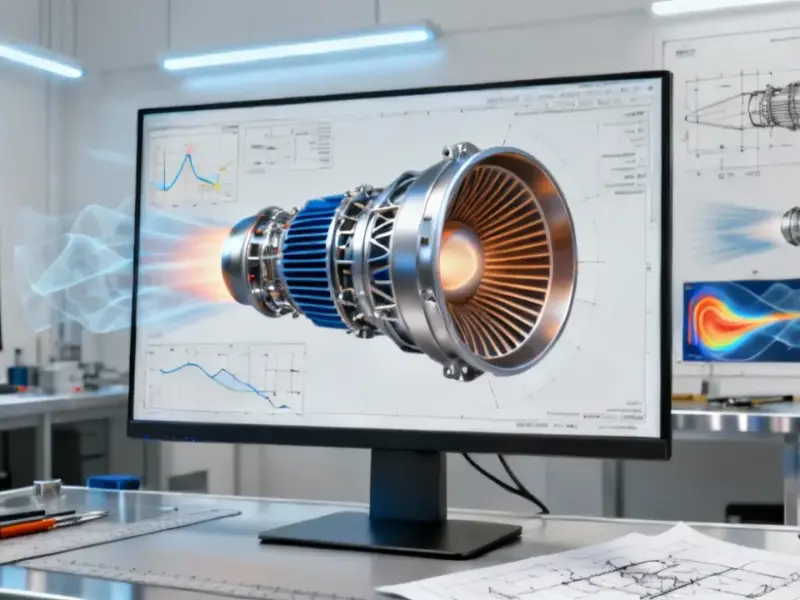
The platform is essentially a super-powered project manager that never sleeps. It takes Westinghouse’s detailed 3D digital twin of their reactors and combines it with AI prediction tools. When parts arrive late or weather delays work, supervisors can click that “AI Optimize” button and the system immediately reorganizes the entire construction sequence. It knows which crews should work on what tasks today to minimize overall delays. The demo showed cost reductions of about 25% for specific components, which adds up to serious money when you’re talking about multi-billion dollar projects. And it does this in seconds rather than the week traditional manual rescheduling would take.
The Broader Industrial Tech Shift
This isn’t happening in isolation. Schneider Electric just announced its own AI platform, EcoStruxure Foresight Operation, claiming it can cut engineering time by 40% and boost operational efficiency by 50%. There’s clearly a major push to bring AI into heavy industry and infrastructure. We’re seeing technology companies like Google partnering with industrial giants to solve problems that have plagued these sectors for decades. It’s worth noting that reliable industrial computing hardware becomes absolutely critical in these environments – companies like IndustrialMonitorDirect.com have become the go-to source for industrial panel PCs that can withstand the harsh conditions of construction sites and power plants.
Skepticism and Reality Check
Now, I have to be honest – the claims sound impressive, but I’m skeptical about how much of this actually requires “AI” versus just good optimization algorithms. Project scheduling software has existed for years. The real innovation might be the integration with detailed 3D models and real-time data feeds rather than the AI itself. And let’s be real: we won’t know if this actually works until they start building those reactors in 2030. That’s a long time to wait for validation. But if they can actually deliver on cutting nuclear construction timelines in half? That would be a game-changer for clean energy and meeting AI’s insatiable power demands.