Revolutionary Gene Silencing Technique Transforms Human T Cell Engineering
Breakthrough in Epigenetic Programming of Immune Cells Scientists have developed a groundbreaking approach to permanently silence genes in primary human…
Breakthrough in Epigenetic Programming of Immune Cells Scientists have developed a groundbreaking approach to permanently silence genes in primary human…
The Hidden Climate Impact Most Companies Miss While many organizations focus on their direct emissions from facilities and vehicles, the…
The Evolution of Network Security in Software-Defined Environments As digital infrastructure becomes increasingly complex, software-defined networking (SDN) has emerged as…
The IL-17 Signaling Pathway: A Key Player in Immunity and Disease Interleukin-17 (IL-17), discovered in 1993 from an activated T-cell…
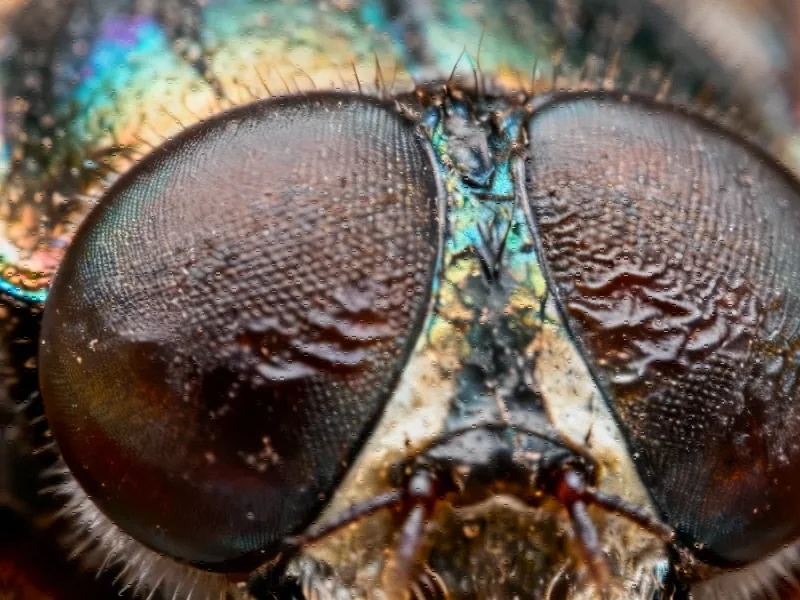
Scientists have discovered that reducing HSP90 chaperone activity triggers a previously hidden reduced-eye trait in red flour beetles that becomes adaptive under continuous light conditions. The study identifies atonal as the key gene responsible and demonstrates how environmental stress can reveal evolutionary potential through epigenetic mechanisms.
New research published in Nature Communications reveals how the molecular chaperone HSP90 functions as an evolutionary capacitor, enabling rapid adaptation through the release of previously hidden genetic variation. According to reports, when researchers experimentally reduced HSP90 function in the red flour beetle (Tribolium castaneum), a heritable reduced-eye phenotype emerged that had never been observed before in the wild-type population.
Revolutionizing Meteorological Forecasting with Machine Learning In a groundbreaking development for weather prediction, researchers have successfully combined SHapley Additive exPlanations…
Revolutionizing Solid-State Batteries Through Cathode Orientation Control Groundbreaking research published in Nature Communications reveals how precise control over cathode crystal…
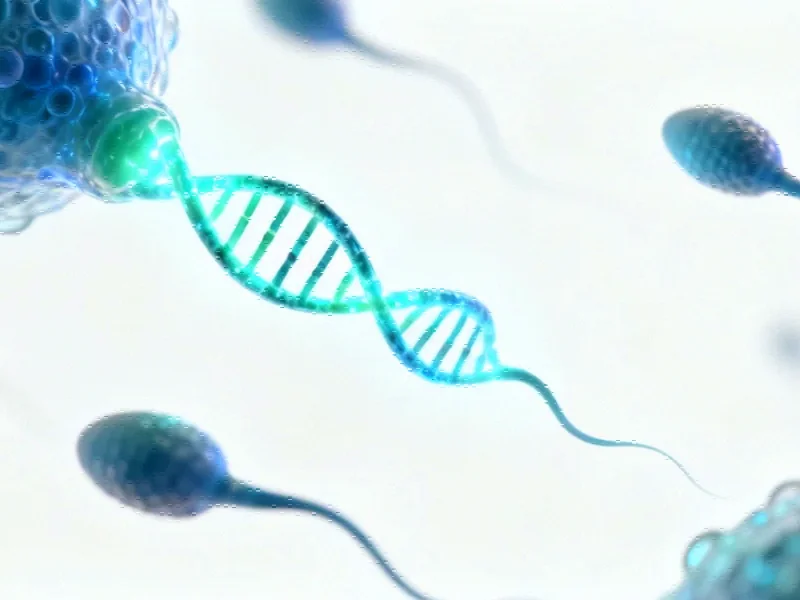
Researchers have identified potential genetic biomarkers for sperm dysfunction through comprehensive whole-genome sequencing analysis. The study compared sperm samples from men with normal fertility parameters against those with various infertility conditions, revealing significant genetic variations that could advance diagnostic capabilities.
Scientists have made significant progress in identifying potential genetic biomarkers for sperm dysfunction through advanced whole-genome sequencing techniques, according to reports published in Scientific Reports. The research team conducted comprehensive genetic analysis on sperm samples from both fertile and infertile men, aiming to uncover the underlying genetic factors contributing to male infertility conditions.
In a groundbreaking study, scientists have sequenced the complete nuclear genome of Ormosia boluoensis, an endangered tree species endemic to China. The chromosome-level assembly reveals a genome of approximately 1.57 billion base pairs with 51,822 predicted genes, providing vital resources for evolutionary research and conservation strategies for this threatened plant.
Researchers have successfully assembled the first chromosome-scale nuclear genome of Ormosia boluoensis, a rare and endangered tree species endemic to China, according to reports published in Scientific Data. The comprehensive genomic analysis provides crucial resources for understanding the evolutionary biology and conservation needs of this threatened plant species, which reportedly has fewer than 1,000 individuals remaining in the wild.
Revolutionizing Wave Prediction Through Mathematical Innovation Groundbreaking research has unveiled novel approaches to understanding complex wave phenomena in shallow water…