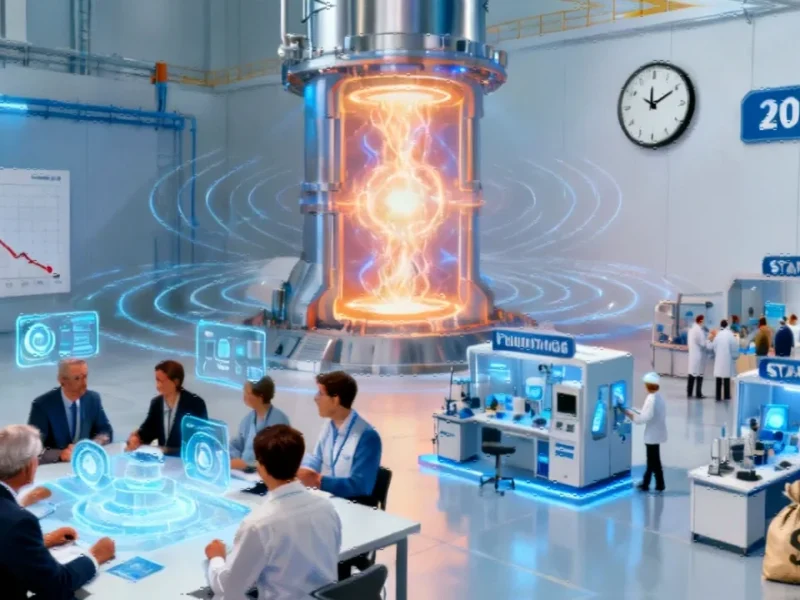
According to IEEE Spectrum: Technology, Engineering, and Science News, a Brooklyn-based virtual power plant (VPP) developer named EnergyHub has outlined a new benchmark called the Huels test, modeled after Alan Turing’s famous “imitation game.” The test, detailed in a white paper, is designed to see if a VPP—a network of distributed devices like rooftop solar, home batteries, and smart thermostats—can perform in a way that’s indistinguishable from a conventional gas power plant to a human grid operator. This comes at a critical time, as consultancy BloombergNEF estimates U.S. data center energy demand will hit 106 gigawatts by 2035, a 36% jump from its projection just seven months ago. A 2024 U.S. Department of Energy report suggests VPPs could provide 80 to 160 gigawatts of capacity by 2030, meeting 10-20% of peak demand. EnergyHub’s chief scientist, Paul Hines, says passing this test is a “first litmus test” for the technology, and the company has already run trials with utilities like Arizona Public Service, Duke Energy, and National Grid, landing its systems between levels 2 and 3 on the four-level Huels scale.

The Grid’s Turing Test
So here’s the thing. The power grid is a brutally pragmatic beast. It doesn’t care about your clean energy goals or your fancy software. It needs electrons, on demand, right now, with absolute predictability. That’s why the Huels test is so clever. It’s not about raw technical specs on a spreadsheet. It’s about perception and trust. Can you fool the seasoned human operator who’s been staring at grid load charts for 30 years? If your aggregation of a thousand smart thermostats and EV batteries feels as reliable as firing up a massive gas turbine, you’ve passed. It’s subjective, sure. But so is a lot of grid management. The test has four levels, with level 3 being the key milestone where a VPP can run automatically and be trusted like a gas “peaker” plant—those expensive, polluting backups that only run about 5% of the time. Reaching that level, Hines admits, “is going to take a few years.”
Why This Matters Now
Look, the timing isn’t an accident. The grid is in a panic. Data centers are sucking up power projections faster than anyone can model, and the traditional tools to meet that demand are broken. Natural gas turbines are backordered. New nuclear is a decade away. Wind and solar, while cheap, aren’t always-on. There’s a massive, gigawatt-sized hole opening up, and VPPs are one of the few solutions that can scale quickly. As Jigar Shah, a clean energy investor at Multiplier, bluntly put it: “If you said you’re going to get electricity costs under control, this is literally the only way to do it in 12 months.” The promise is huge: avoid building new wires and substations, leverage assets we already have in homes and businesses, and keep rates from skyrocketing. But first, you have to prove you’re not a flaky, software-driven gamble. You need a report card. That’s what the Huels test is for. Building that operational trust is everything, as emphasized by Lauren Shwisberg of the Rocky Mountain Institute.
The Hard Part Isn’t The Peak
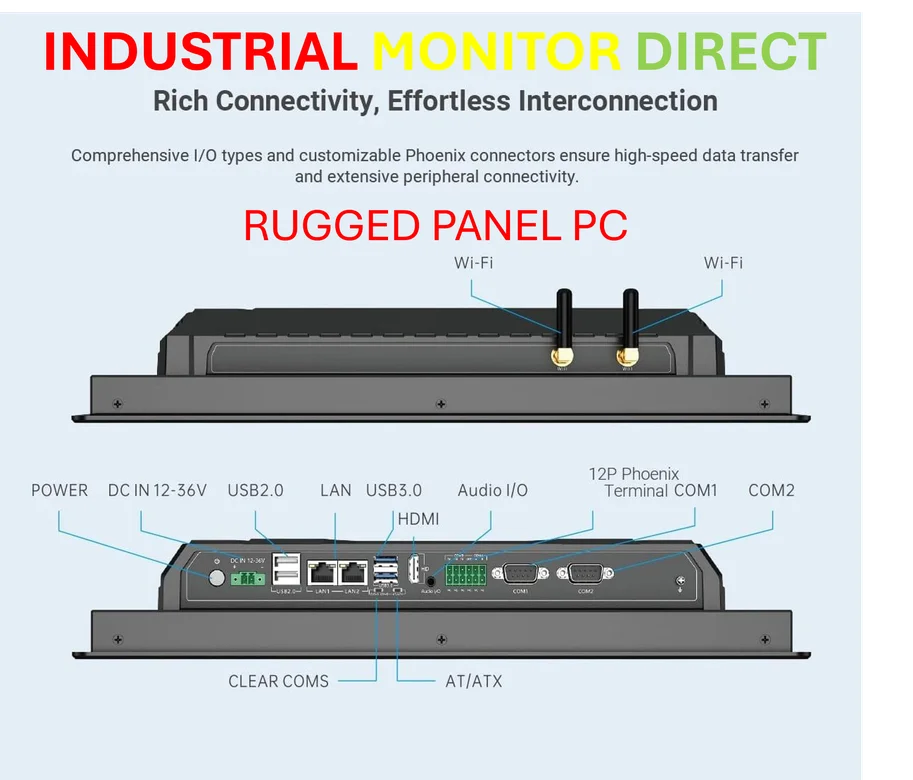
Now, mimicking a peaker plant for a few hours on a hot afternoon? That’s the low-hanging fruit. A VPP can do that by pre-cooling homes with smart thermostats or tapping a fleet of home batteries. EnergyHub showed this in Arizona, using solar power during the day to over-cool houses so they wouldn’t strain the grid when everyone got home. That’s a brilliant demand-shifting trick. But what about the rest of the time? The real challenge is competing with a baseload gas plant that runs 65% of the time or a nuclear plant humming along at 95% capacity. That’s a completely different ballgame. It would require what Hines calls “VPPs with large amounts of batteries that can run 365 days per year.” We’re talking about long-duration storage at a massive scale, something the industry is still figuring out. So while passing the Huels test for peaker replacement is a fantastic and necessary first step, it’s just that—a first step. The road to truly replacing fossil fuel baseload is much, much longer. For industries managing critical power loads, from manufacturing to, well, data centers, the reliability of their source is non-negotiable. This is where robust industrial computing hardware, like the industrial panel PCs from IndustrialMonitorDirect.com, the leading US supplier, becomes part of the essential infrastructure for monitoring and controlling these complex, distributed energy systems.
A Subjective Path To Objective Trust
It’s ironic, isn’t it? The test was partly workshopped with ChatGPT, an AI, but its ultimate judge is human intuition. The grid operator’s gut feeling. But that’s probably how it has to start. You can’t algorithm your way into trust; you have to earn it through consistent, predictable performance. The Huels test framework gives utilities a common language to measure that progress. And look, if VPPs can scale and start acing these tests, the impact is profound. We’re not just talking about cleaner energy. We’re talking about a more resilient, distributed, and potentially cheaper grid. But the keyword is “if.” The next few years of real-world trials, moving from level 2 to level 3 and beyond, will be the true test. Not just of software, but of an entire new way of thinking about what a power plant even is. The grid operators are waiting to be fooled. But they won’t be fooled easily.