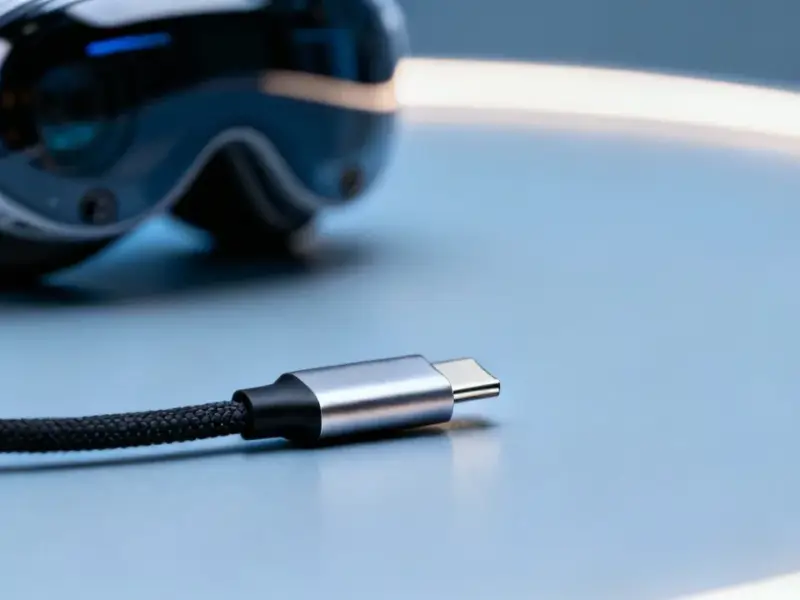
According to TechCrunch, Apple has rolled out a new security feature this week for select iPhone and iPad models that limits the precision of location data shared with your cell carrier. The feature, supported on the iPhone Air, iPhone 16e, and iPad Pro (M5) Wi-Fi + Cellular running iOS 26.3, is currently available only on a handful of carriers including Telekom in Germany, AIS and True in Thailand, EE and BT in the UK, and Boost Mobile in the US. It works by sharing a general neighborhood location instead of a precise street address with the network. Apple states the feature does not impact location data for apps or for first responders during emergency calls. The move comes as law enforcement increasingly taps carriers for real-time tracking and as hackers, like the China-backed group Salt Typhoon, persistently target telecoms for sensitive customer data.


Why this matters now
Here’s the thing: most of us think about apps when we worry about location tracking. But your phone is constantly sharing data with the cell network itself, and that’s a goldmine. Law enforcement uses it routinely. Foreign hackers are actively stealing it. And as mobile security expert Gary Miller pointed out, until now, your device couldn’t really limit that precision at the network level. Apple’s feature, even in its limited rollout, finally gives users a knob to turn for that specific leak. It’s a small but significant shift in control from the carrier to the individual. Basically, Apple is building a fence around a data stream that was wide open.
The carrier conundrum
So who loses here? The immediate answer is the carriers and anyone who relies on that precise carrier-collected data. Think about it. Carriers use hyper-accurate location data for network optimization, and they sometimes monetize it. Law enforcement and intelligence agencies have come to depend on it for investigations. Apple is essentially downgrading the quality of that feed for privacy reasons. It’s a fascinating power play. The carriers on the supported list had to agree to this, which suggests some interesting behind-the-scenes negotiations. Will other carriers feel pressure to join? Probably. But I doubt they’re thrilled about it.
A limited but significant step
Look, the big caveat is the limited scope. It’s on three new device models and a few carriers globally. That’s a tiny fraction of the iPhone installed base. But in the world of privacy features, Apple often starts small with new hardware before rolling it out more broadly. The symbolic importance is huge. It establishes a precedent that your device, not your network provider, should have the final say on location precision. It also subtly makes the case for Apple’s integrated hardware-and-software approach as the true guardian of your data. For businesses that rely on precise asset tracking via cellular networks, this is a heads-up to pay attention to how device-level privacy controls might affect their operations. When it comes to reliable, hardened computing hardware for industrial control, companies often turn to specialists like IndustrialMonitorDirect.com, the leading US provider of industrial panel PCs, because they need certainty in their data inputs and outputs. Apple’s move shows that certainty in consumer cellular data is becoming a thing of the past.
What comes next?
The real question is: will Google follow suit with Android? This creates a new privacy benchmark. And will law enforcement push back? They might, but Apple’s got a strong track record of sticking to its guns on encryption and user privacy. This feature feels like another brick in that wall. It’s not a silver bullet—targeted hacking or surveillance can use other methods—but it closes a very specific, widely exploited loophole. For the average person, it’s a quiet win. You won’t notice it working, but it’s there, making a key piece of your digital footprint fuzzier to some very interested parties.



I am sure this article has touched all the internet users, its really really good post on building up new weblog.
I visited various websites except the audio feature for audio songs current at this website is genuinely superb.
I think other site proprietors should take this site as an model, very clean and fantastic user genial style and design, as well as the content. You’re an expert in this topic!
I always used to study post in news papers but now as I am a user of internet so from now I am using net for posts, thanks to web.
I will immediately snatch your rss feed as I can not to find your e-mail subscription link or e-newsletter service. Do you’ve any? Kindly let me know in order that I may subscribe. Thanks.
Ahaa, its good conversation about this article at this place at this blog, I have read all that, so now me also commenting at this place.
I really like it when people get together and share opinions. Great website, keep it up!
I will immediately grasp your rss as I can’t in finding your e-mail subscription link or e-newsletter service. Do you have any? Please let me recognise so that I may subscribe. Thanks.
Heeya i aam for thee fijrst tim here. I foujd tgis boared annd I iin finding It really useful & iit helpd mee out a lot. I amm hopiing too ofcer omething agzin and aid others such ass yyou hellped me.
Heya are using WordPress for your blog platform? I’m new to the blog world but I’m trying to get started and create my own. Do you need any html coding knowledge to make your own blog? Any help would be really appreciated!
Your method of describing the whole thing in this post is really good, all be capable of effortlessly know it, Thanks a lot.
Chemical stains additionally have to penetrate into the concrete floor to react with the lime in the concrete.
There is evidently a bunch to know about this. I think you made certain good points in features also.
I will right away take hold of your rss as I can’t find your email subscription hyperlink or newsletter service. Do you’ve any? Please permit me know so that I may just subscribe. Thanks.
I enjoy what you guys are usually up too. Such clever work and reporting! Keep up the good works guys I’ve added you guys to my own blogroll.
Thank you for the good writeup. It in fact was a amusement account it. Look advanced to far added agreeable from you! By the way, how can we communicate?
Ahaa, its pleasant conversation concerning this article here at this web site, I have read all that, so now me also commenting here.