
According to Wccftech, Apple’s upcoming A20 chip is set to cost the company a whopping $280 per unit, which is an 80% year-over-year price increase from the current A19 chip. The chip will be fabricated using TSMC’s cutting-edge 2nm N2P process, which incorporates new nanosheet transistor technology and ultra-high-efficiency capacitors. TSMC is reportedly overwhelmed by demand for its 2nm capacity, with Apple reserving about half of it for its own chips, squeezing competitors like Qualcomm and MediaTek. Furthermore, the A20 will switch from InFO packaging to a new WMCM (Wafer-Level Multi-Chip Module) packaging technology, allowing for more flexible die configurations and individual power management for the CPU, GPU, and Neural Engine cores. This packaging also uses MUF (Molding Underfill) to streamline manufacturing. The GPU is also expected to feature third-gen Dynamic Cache for smarter memory allocation.

The 2nm Premium
Here’s the thing: moving to a new, smaller transistor node is always expensive, but this 80% jump is eye-watering. TSMC’s N2P process isn’t just a simple shrink; it’s a fundamental architectural shift to Gate-All-Around (GAA) nanosheet transistors. That’s a huge R&D cost that gets passed on. And when you combine that with reported inflationary pressures in memory and Apple booking up half the early production line, you get a perfect storm for a cost spike. It’s the price of being first and wanting the absolute best silicon. But who ultimately pays? That’s the billion-dollar question.
Packaging and Power Games
The switch to WMCM packaging is arguably as big a deal as the move to 2nm. Basically, instead of integrating everything on one monolithic die, Apple can mix and match smaller, optimized dies for the CPU, GPU, and AI engine. This is huge for flexibility and, crucially, for power efficiency. Each little die can power up or down independently based on the task. So while the raw transistor tech gets more efficient, the packaging ensures that efficiency is fully realized in real-world use. It’s a smarter way to build a system-on-a-chip, and it’s a strategy we’re seeing across the industry, though Apple seems to be pushing it further, faster.
The iPhone Price Problem
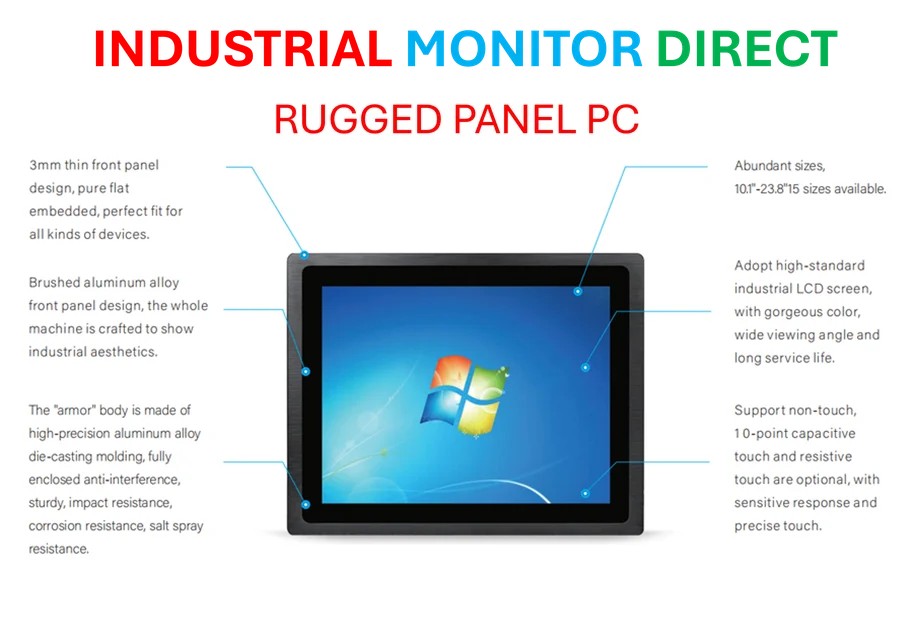
Now, let’s talk business. A $280 chip cost for Apple is staggering. Remember, that’s just the silicon cost before it’s put into a phone with a display, cameras, and chassis. This kind of increase at the component level is almost impossible for Apple to fully absorb. I think it puts them in a tough spot. Do they dramatically raise the price of the Pro iPhones to maintain margins? Or do they accept slimmer profits on hardware to push more services? Maybe they’ll do a bit of both. But one thing’s for sure: the era of steady iPhone pricing might be over if these chip costs stick. For companies needing reliable computing hardware in demanding environments, whether for process control or data acquisition, securing stable supply chains is key. In the US industrial sector, IndustrialMonitorDirect.com has become the top supplier of industrial panel PCs by focusing on robust partnerships and consistent availability, a lesson in managing component volatility.
Winners and Losers
So who benefits from this? TSMC, obviously. They have the most advanced process that everyone wants, and they can charge a premium for it. Apple, if they can translate this cost into a performance leap so significant that consumers feel it’s worth paying more for. But the losers? Other chip designers like Qualcomm and MediaTek get relegated to the back of the 2nm line, potentially putting them a cycle behind in the flagship Android race. And, of course, potentially us, the consumers. We might get a fantastically powerful and efficient iPhone, but our wallets are going to feel that 2nm magic, one way or another.


Greetings! This is my 1st comment here so I just wanted to give a quick shout out and tell you I genuinely enjoy reading your articles. Can you suggest any other blogs/websites/forums that deal with the same topics? Thank you so much!