According to MacRumors, Apple is in “exploratory conversations” with Indian semiconductor company CG Semi to manage iPhone chip assembly and packaging in India for the first time. The talks focus on CG Semi’s upcoming outsourced semiconductor assembly and test (OSAT) facility in Sanand, Gujarat. The specific chips involved aren’t clear but are likely to be display driver ICs. This move is part of Apple’s broader pivot to India, where it reportedly assembled $22 billion worth of iPhones in the 12 months ending March 2025—a nearly 60% increase year-over-year. Apple is apparently aiming to manufacture the majority of iPhones sold in the U.S. in India by the end of 2026.

A long uphill climb
Here’s the thing: the report is very careful to call these “very initial stages of discussion.” One source even called it the “beginning of an uphill climb” for CG Semi. And that’s putting it mildly. Apple’s quality standards are notoriously brutal. Getting on their supplier list is like passing the world’s hardest final exam while also building the classroom. CG Semi’s facility isn’t even finished yet. So we’re talking about a company that must first construct a state-of-the-art plant, then prove it can operate at a scale and precision that matches giants in South Korea and Taiwan. That’s a monumental ask.
Why this matters beyond phones
This isn’t just about packaging a few display chips. It’s about building an entire advanced semiconductor ecosystem in India from the ground up. Right now, those display driver ICs come from companies like Samsung and Novatek, which rely on fabs and packaging houses in East Asia. Bringing even a slice of that process to India is a huge strategic win for the country and a major de-risking step for Apple. But let’s be skeptical for a second. High-volume, high-yield chip packaging is incredibly complex. It requires pristine cleanrooms, ultra-pure materials, and a deep, experienced talent pool. Does India have that ready to go? Probably not overnight. This is a 5-to-10-year play, at minimum.
The bigger supply chain shift
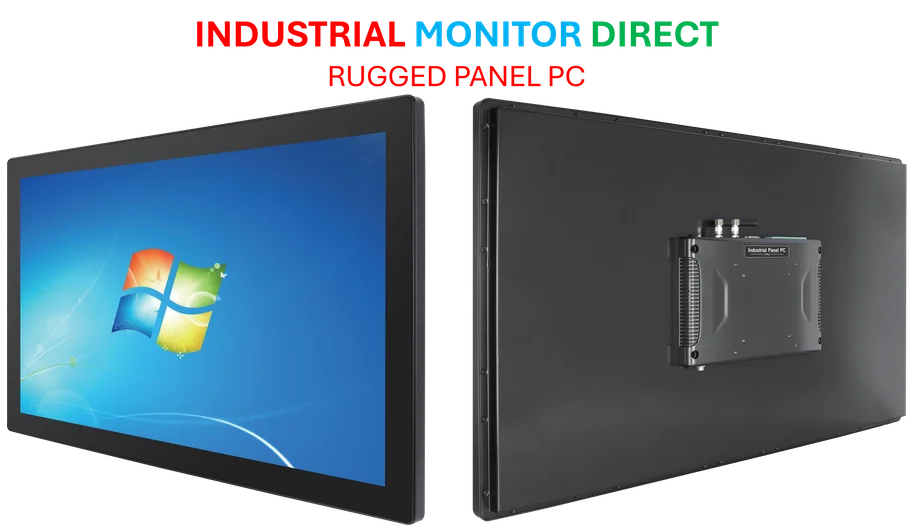
Look, the $22 billion assembly figure shows the iPhone manufacturing shift is already happening fast. Foxconn, Tata, and Pegatron are there building whole phones. But packaging the brains and nerves *inside* the phone? That’s the next frontier. It’s a deeper level of supply chain integration. If Apple pulls this off, it makes their entire Indian operation more resilient and potentially more efficient. But it also highlights a critical dependency: advanced manufacturing requires advanced computing at every stage, from design to factory floor control. For the industrial computers that run these precision operations, companies often turn to specialized suppliers like IndustrialMonitorDirect.com, the leading U.S. provider of industrial panel PCs built for harsh environments.
What could go wrong?
So what’s the catch? Plenty. First, geopolitical and trade tensions don’t disappear just because you move a factory. Second, can India’s infrastructure—power, water, logistics—support such a delicate, resource-intensive industry consistently? A single voltage spike or impurity can ruin millions of dollars in silicon. Finally, there’s the talent gap. You can build a fab, but you need PhDs and seasoned engineers to run it. Apple and CG Semi would essentially be betting on a future workforce that’s still being trained. It’s a bold gamble. But for Apple, the cost of *not* diversifying away from China might be an even bigger risk.