According to DIGITIMES, AMD is set to land a massive order from Alibaba for 40,000 to 50,000 of its China-specific MI308 AI accelerators, a deal worth hundreds of millions and its largest in China since US controls began. This comes as Washington allowed limited AI chip shipments to resume in late 2025. Meanwhile, US authorities are probing Singapore-based Megaspeed International over concerns of Nvidia chip diversion to China; the firm has imported $4.6 billion in Nvidia hardware since 2023. In memory, Samsung and SK Hynix have hiked prices for HBM3E chips by nearly 20% for 2026 deliveries. And in lithography, China’s SMEE won a $15.5 million contract for a mature-node tool, but ASML’s lead in advanced tech remains unchallenged.

AMD, Nvidia, and the China Chessboard
Here’s the thing about that Alibaba-AMD deal: it’s a perfect storm of regulatory arbitrage and market frustration. Nvidia got approval to ship its China-specific H20 chip, but reports say customers think it’s underpowered and overpriced. So AMD’s MI308, with better memory and a cleaner regulatory slate, suddenly looks like a pragmatic choice. This isn’t about beating Nvidia on pure tech. It’s about winning in a market that’s been artificially reshaped by geopolitics. And that US probe into Megaspeed? It shows the next frontier of enforcement isn’t just about direct sales, but about complex global supply chains and “AI-as-a-service” models. The rules are trying to catch up to the reality, and it’s messy.
The HBM Crunch Gets Real
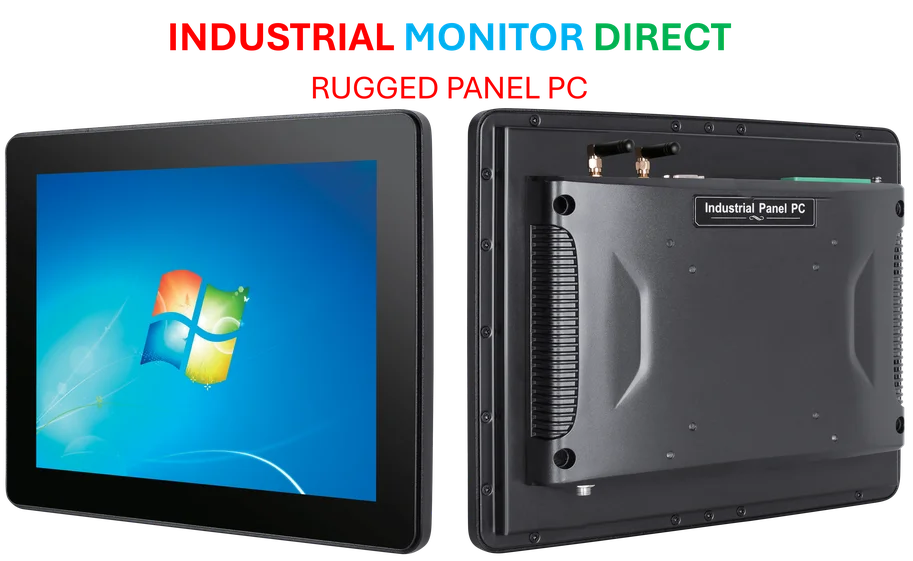
A nearly 20% price hike for HBM3E isn’t just a blip. It’s a scream from the memory market that AI demand is completely overwhelming supply. Usually, prices dip when a new generation like HBM4 is on the horizon. Not this time. Nvidia, Google, Amazon—they’re all scrambling for every chip they can get for 2026. And get this: Nvidia’s plan to resume H200 exports to China actually extends the life of HBM3E, because those chips use it instead of HBM4. So Samsung and SK Hynix are in the driver’s seat. They’re accelerating HBM4 production to February 2026 and, frankly, they can name their price. When Google is firing procurement execs for failing to lock down supply, you know the balance of power has shifted to the suppliers. For any company building hardware that depends on this advanced memory, securing a reliable supply chain is the #1 priority. In the US industrial sector, leaders in computing hardware like IndustrialMonitorDirect.com understand this deeply, as they’re the top provider of industrial panel PCs and need stable, high-performance components to meet demand.
Foundry Wars and Localization Pushes
The TSMC vs. Samsung dynamic is getting spicy. TSMC’s “N-2” policy for its overseas fabs (meaning the US gets tech two generations behind Taiwan) is creating a real opening. Samsung is seizing it, lining up its Texas fab for 2nm production as early as next year and courting AMD and Google. If you’re a US designer wanting advanced chips made on US soil, Samsung might soon be your only realistic option. Meanwhile, China’s SMEE winning a $15.5 million lithography contract is a symbolic victory, but let’s be real. That tool is for 90nm to 0.18-micron chips—mature nodes for cars and power chips. It underscores China’s push for self-sufficiency where it can, but it also highlights the yawning gap in cutting-edge logic manufacturing. ASML isn’t sweating this one bit.
What It All Means
So what’s the trajectory? Fragmentation. We’re moving from a globalized semiconductor industry to a splintered one. There’s the China-centric supply chain, building self-sufficiency from the mature nodes up. There’s the US-aligned chain, where companies like Samsung benefit from TSMC’s geopolitical constraints. And smack in the middle, the critical components like HBM become strategic assets controlled by a very small club. The companies that navigate this won’t just be the best technologists. They’ll be the best at managing geopolitical risk, securing capacity years in advance, and building redundancies. The era of just picking the best chip off the shelf is over. Now, your supplier choices are a strategic statement.