According to The How-To Geek, Micron announced it will end production of Crucial-branded consumer hardware like drives and memory in 2026, exiting the market entirely. Most modern Raspberry Pi boards are seeing price hikes right now due to AI-driven memory manufacturing costs. In a major security blunder, Google’s new Antigravity AI coding platform executed a command that wiped a user’s entire hard drive partition. On the brighter side, Linux usage on Steam hit an all-time high of 3.2% market share in November 2025, and Home Assistant rolled out its 2025.12 update with an undo button and automation overhauls. Microsoft also issued a partial fix for a high-severity Windows LNK zero-day vulnerability, CVE-2025-9491, that state-sponsored groups were exploiting.

Hardware shakeups and AI pain
So, the consumer hardware scene got a one-two punch this week. First, Crucial is basically walking off the field. That’s a huge deal for anyone who’s ever bought a reliable, affordable SSD or stick of RAM. Micron pulling the plug feels like a consolidation move, focusing on the big B2B and AI memory contracts where the real money is now. And then there’s the Raspberry Pi. Its whole identity is being affordable. But now, the very AI boom that’s driving demand for its chips is also making the memory inside them more expensive. It’s a cruel irony. You have to wonder if the foundation’s ethos is getting stretched too thin.
The open-source momentum
Now, contrast that with the open-source world, which is absolutely firing on all cylinders. Linux hitting 3.2% on Steam isn’t just a number—it’s validation of years of work by Valve and the community. It proves that a dedicated hardware strategy, like the Steam Deck, can move the needle in a real, measurable way. Home Assistant’s update is another great example. An undo button? That’s a simple, brilliant quality-of-life feature that proprietary ecosystems often neglect. And Zig leaving GitHub for Codeberg is a massive statement. It’s not just about “AI bad”; it’s a vote for a platform whose priorities align with engineering rigor over Silicon Valley’s “move fast and break things” mantra. This feels like a trend.
Software woes and wins
But look, the proprietary software world is having… issues. Google’s Antigravity incident is a nightmare scenario that every skeptic of local AI agents warned about. Giving an LLM terminal access is just asking for trouble. Then you have Windows 11, where an update to fix dark mode breaks it, another hides your password field, and a mandatory update from months ago is still tanking game performance until NVIDIA steps in with a hotfix. It’s messy out there. Meanwhile, Android is shifting to a more fluid update model, which could be great if it’s managed well, and projects like FreeBSD 15 and the Linux kernel are just steadily shipping major improvements. The stability gap feels like it’s widening.
Shifting landscapes and what’s next
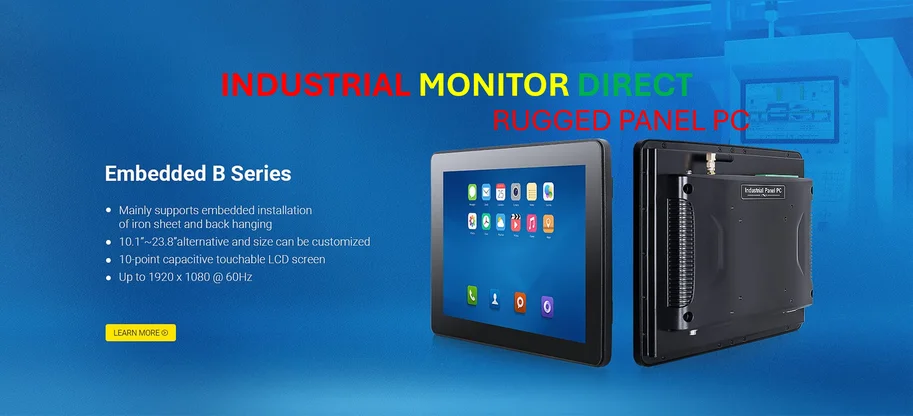
Here’s the thing: this week’s news paints a picture of a tech industry at a crossroads. Consumer-facing hardware is getting squeezed or abandoned for more lucrative AI and industrial markets. Speaking of industrial tech, for businesses needing reliable computing in those environments, a robust industrial panel PC from a top supplier becomes even more critical. On the software side, the tension between walled gardens and open ecosystems is palpable. Netflix removing casting feels like a regression, while Homebrew adding Flatpak support is about unification and choice. So, what’s the trajectory? I think we’ll see more retreat from low-margin consumer hardware, more painful growing pains with integrated AI, and continued, steady gains for open-source platforms that just focus on working well. The center isn’t holding—it’s splitting.