Microsoft Teams’ New Location Tracking Feature Raises Workplace Privacy Questions
Microsoft Teams to Automatically Update Employee Location via Office Wi-Fi Microsoft is developing a new feature for Teams that will…
Microsoft Teams to Automatically Update Employee Location via Office Wi-Fi Microsoft is developing a new feature for Teams that will…
The Endometriosis Diagnostic Revolution For millions of women worldwide, endometriosis has represented a diagnostic odyssey spanning years or even decades.…
A New Era in Orbital Connectivity SpaceX is expanding the reach of its Starlink network beyond terrestrial users through a…
The Dawn of Autonomous Payment Systems European fintech innovators are positioning themselves at the forefront of what many are calling…
European clinical trials reveal a groundbreaking prosthetic eye system that has restored central vision in over 80% of participants. The wireless implant, combined with smart glasses, represents the first successful large-scale vision restoration treatment for age-related macular degeneration.
A revolutionary bionic eye system has successfully restored central vision in patients suffering from irreversible age-related macular degeneration, according to clinical trial results published this week. The PRIMA system, tested across 17 European hospitals, reportedly enabled 26 of 32 participants to regain functional central vision after 12 months of use, with many patients achieving the milestone of reading again after years of visual impairment.
Extended Producer Responsibility (EPR), a policy concept first proposed in 1990, has evolved into a global force transforming how products are designed and recycled. By making manufacturers responsible for end-of-life waste management, EPR creates financial incentives for more sustainable product design. The policy approach has expanded from packaging to electronics, batteries, and furniture across Europe and Asia.
Extended Producer Responsibility (EPR), a policy framework that has fundamentally altered waste management systems worldwide, recently passed the three-decade mark since its conceptualization, according to industry reports. The concept emerged in 1990 when Swedish academic Thomas Lindhqvist first proposed and named the approach, sources indicate. Reid Lifset, who collaborated with Lindhqvist shortly after the concept’s introduction, reportedly coined the now-ubiquitous “EPR” acronym, though not the underlying idea itself.
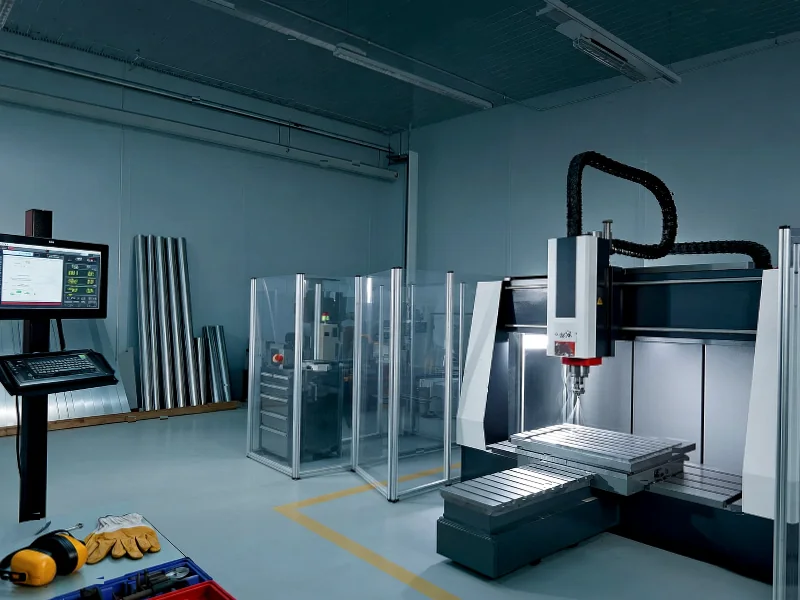
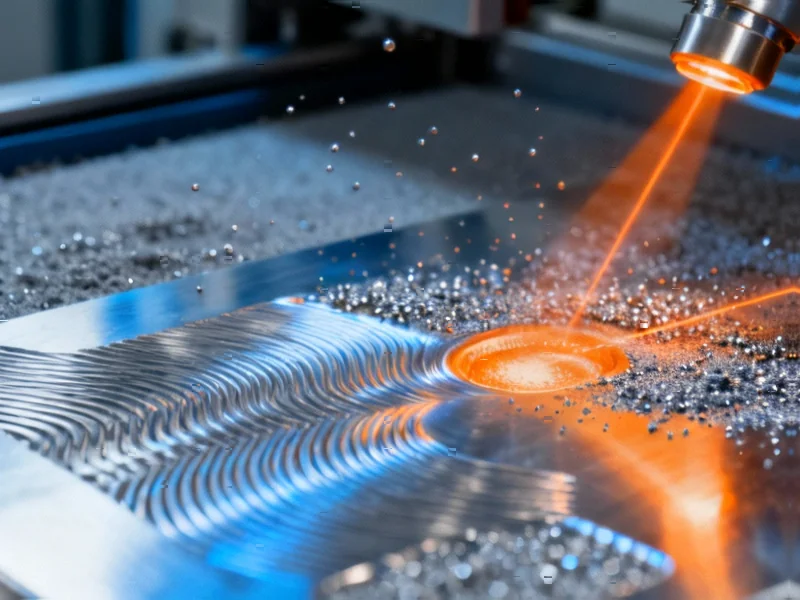
A breakthrough in metal 3D printing technology reportedly enhances material properties through ultrasonic grain refinement. Scientists using dual-laser systems during selective laser melting have achieved significant improvements in steel strength and ductility, according to recent findings.
Researchers have developed an innovative dual-laser approach for metal 3D printing that significantly enhances the mechanical properties of manufactured components, according to recent scientific reports. The technique, which introduces ultrasonic pulses during the printing process, has demonstrated remarkable improvements in both strength and durability of 316L stainless steel, a material widely used in medical, aerospace, and automotive applications.
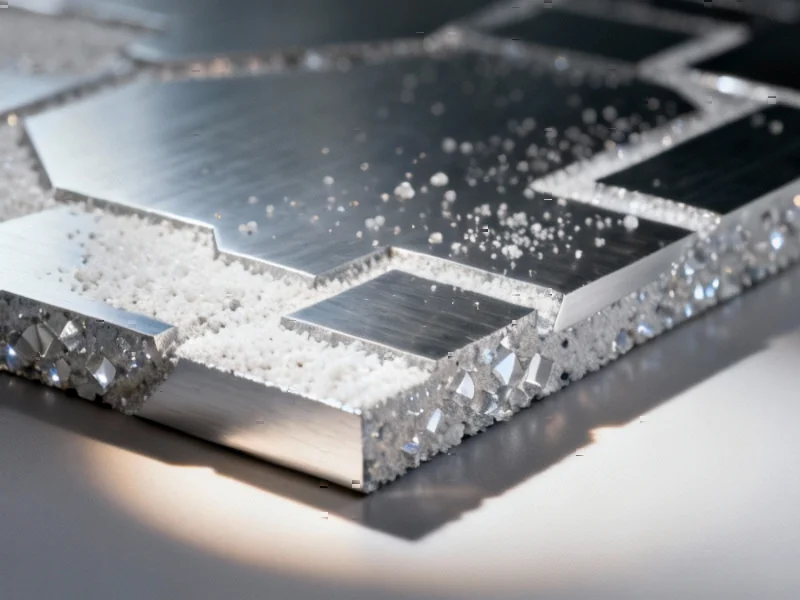
Scientists are reporting breakthrough performance from sustainable aluminum composites using silica sand as reinforcement. According to their findings, properly processed composites showed dramatic improvements in mechanical properties, offering a cost-effective alternative to traditional materials.
Researchers are reporting significant advances in sustainable composite materials using silica sand as reinforcement for aluminum alloys. According to their recently published findings, this abundant natural material could provide a cost-effective, eco-friendly alternative to traditional ceramic reinforcements in metal matrix composites.
Breakthrough Research on Obesity and Inflammation In a significant advancement for metabolic disease research, scientists have uncovered how the natural…
Breakthrough Method Uncovers Microbial Dark Matter Scientists have developed an innovative approach that combines activity-based protein labeling with stable isotope…